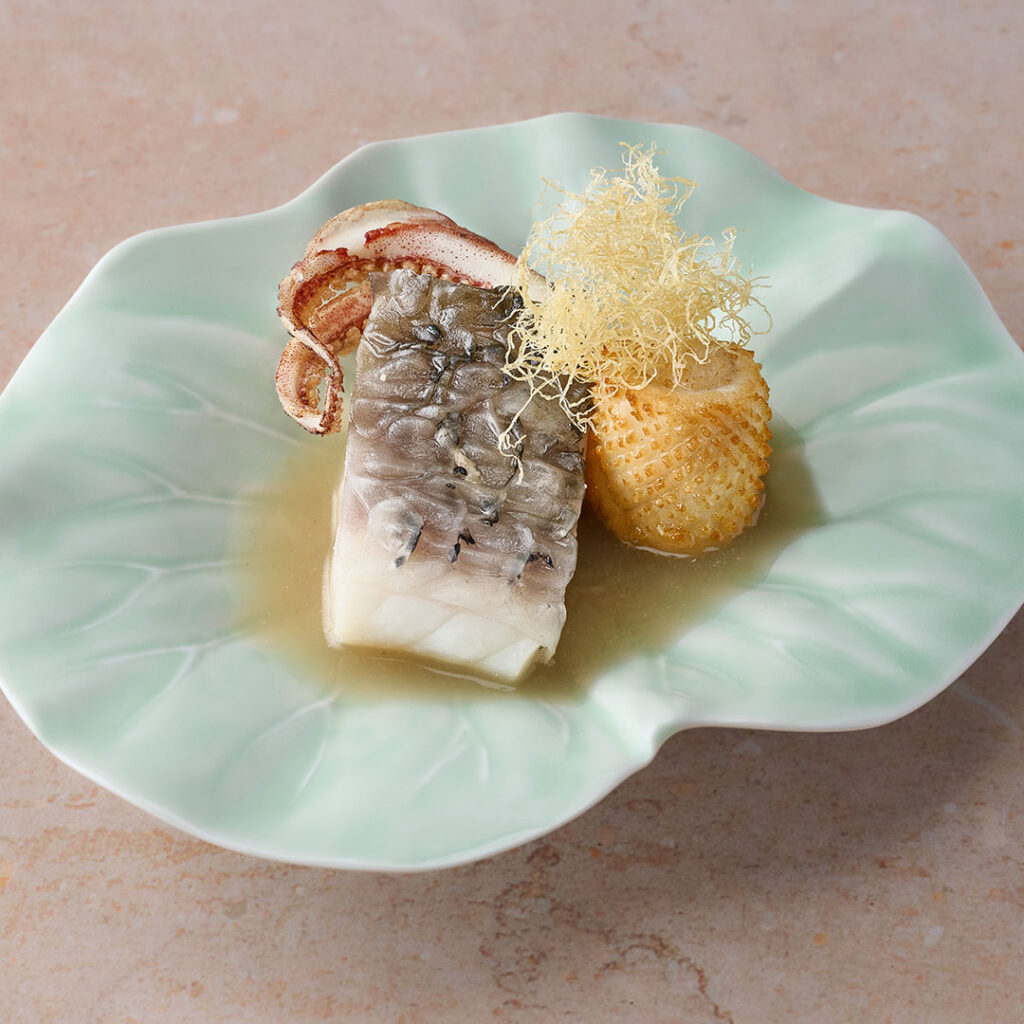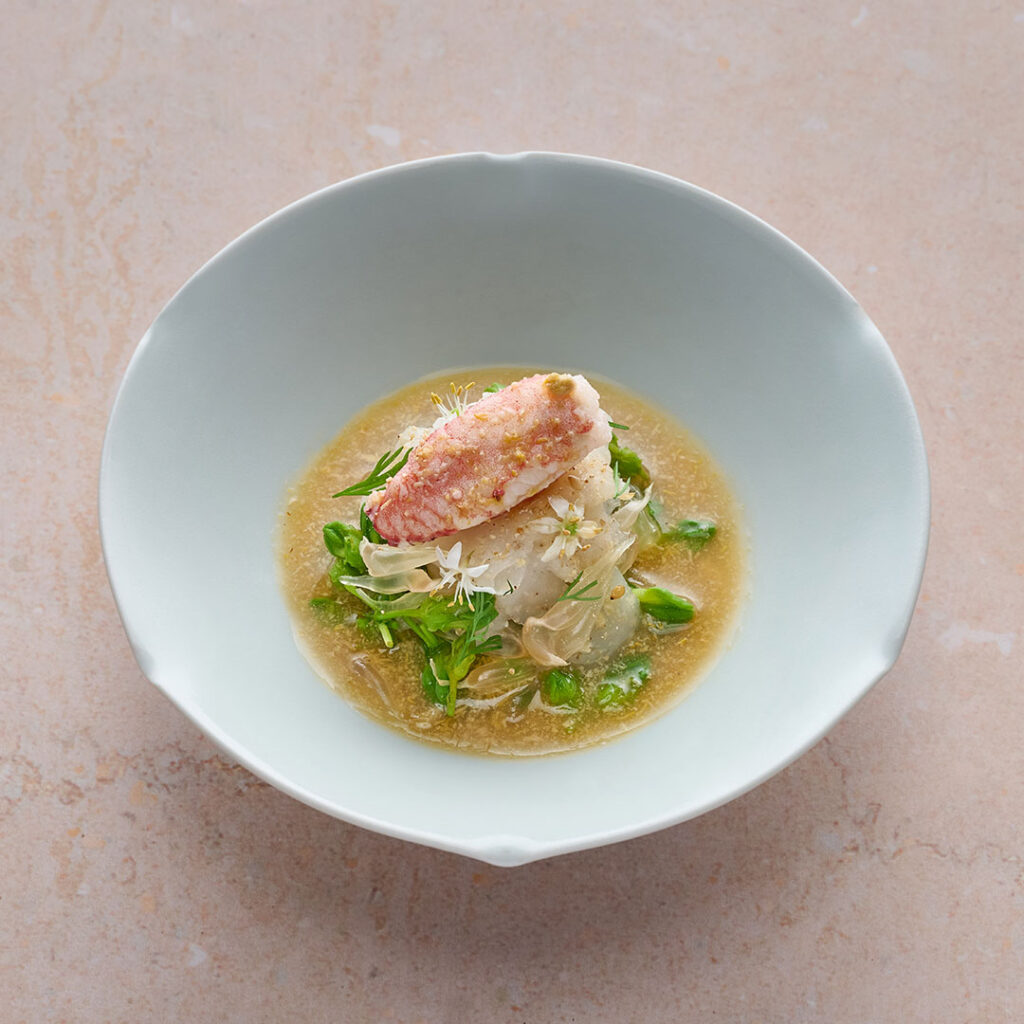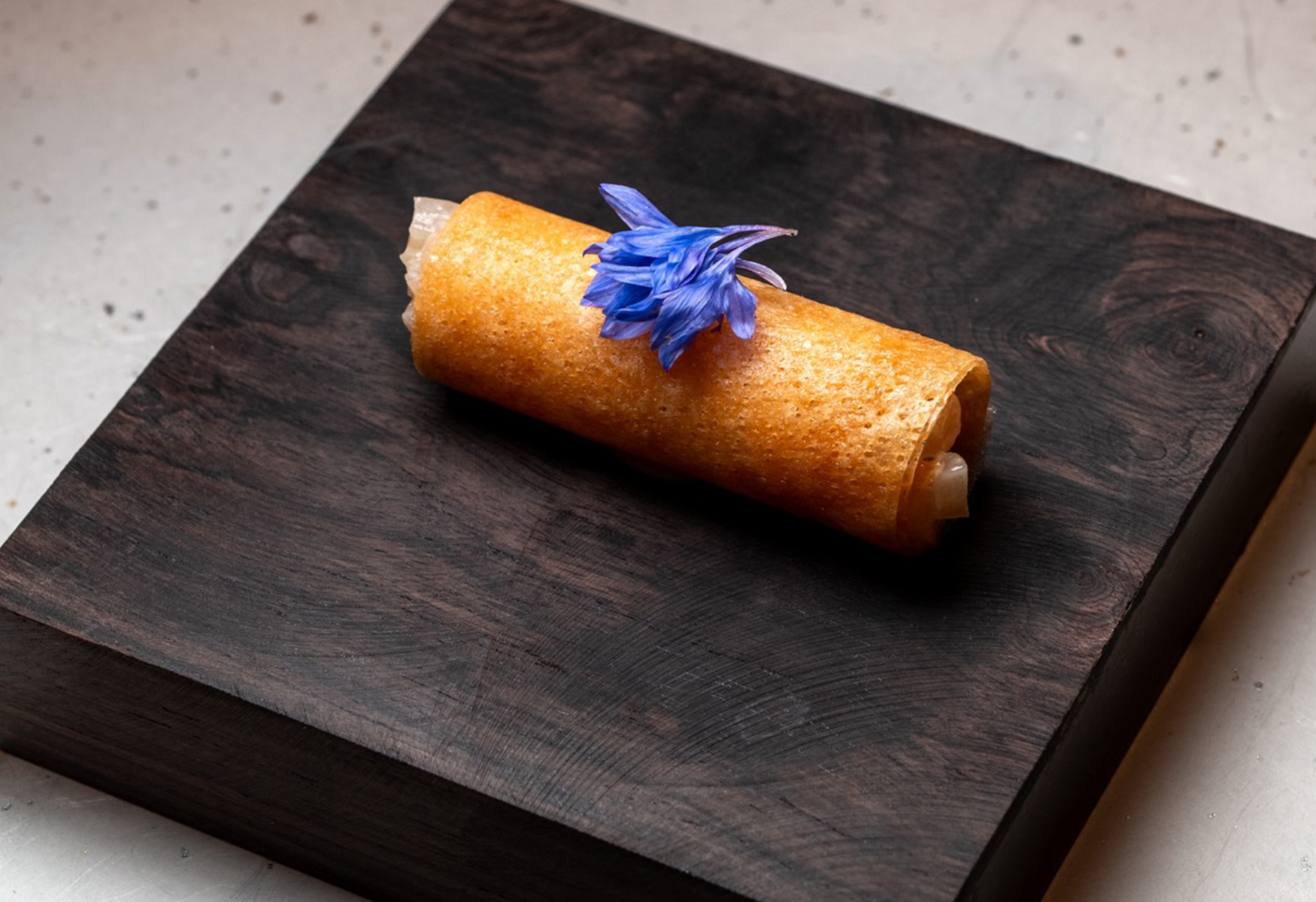

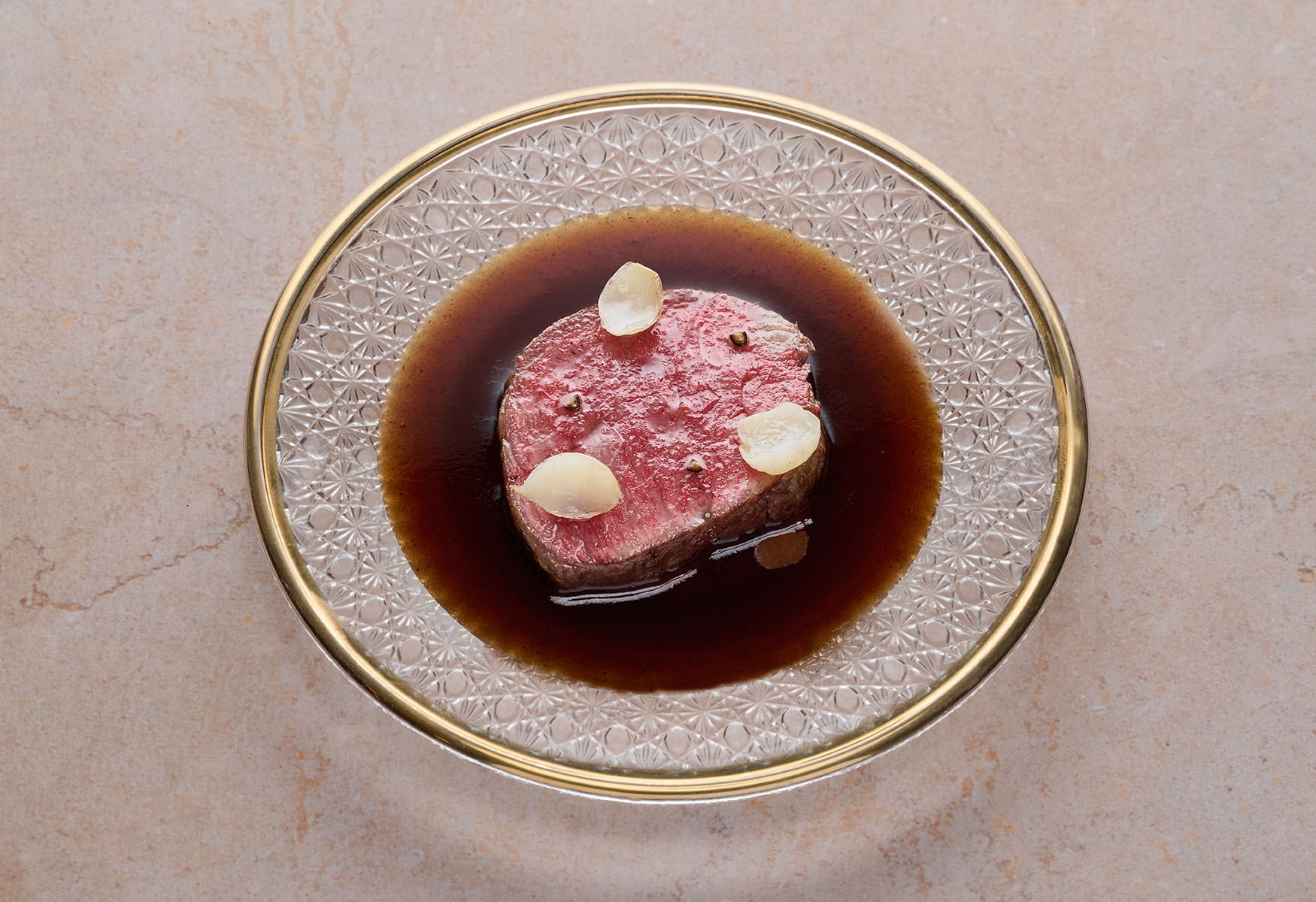
Come May 2026, Chef Ace Tan and his new partner Desmond Heng of Suguru will open ASIN (pronounced Ace-in) at 38 Carpenter Street — a fine dining restaurant that marks both a distillation of Ace’s culinary journey and a clear step forward in its evolution.
Shaped by a deeply introspective response to food and all that it embodies, the foundations of his craft were laid early during his upbringing in Singapore, amid the rhythms of hawker centres and wet markets. His extended family ran a Traditional Chinese Medicine (TCM) shop, further shaping his understanding of food as both nourishment and care. In this environment, the idea that cuisine could be both delicious and balance the body took hold, an idea that continues to inform his work.
Ace’s professional journey brought him through some of Singapore’s most exacting kitchens, including Les Amis, where he was immersed in the discipline of French haute cuisine. He later moved to Korea as Executive Sous Chef of Flowerchild, where his exposure to local culinary traditions deepened his awareness of seasonality. Through foraging alongside his peers, he observed how ingredients were gathered and consumed in response to the land and climate, leading him to establish seasonality as a pillar of his cuisine.
Upon returning to Singapore, Ace established ASU, where he began to develop Progressive Asian Cuisine. Rooted in tradition yet open in expression, it is a cuisine shaped by research, reflection, and continual evolution.
With ASIN, Ace is carving a different path. It marks a further distillation of this thinking, and a culmination of his journey thus far. Over 18 years spent across kitchens from casual to fine, coupled with an openness to learning, a readiness for challenge, and constant introspection, have shaped a chef of quiet confidence and measured insight.
ASIN: Clarity Through Accumulation
A play on the word “Asian,” the name ASIN pays homage to the culinary traditions of the region —the flavours, techniques, ingredients, and histories that continue to shape his work. “Asin” also means salt in Tagalog, and in Bahasa Indonesia translates to “salty.” Salt, elemental and essential, forms the foundation upon which all other flavours are built.
At ASIN, Ace returns to first principles—cooking with purpose, guided by nature’s rhythms, and grounded in the influences that shaped him. Here, Progressive Asian Cuisine is brought to a new level of clarity and refinement. Progress, to him, is not defined by novelty alone, but by respectful continuity: ancient wisdom carefully studied and carried forward through refined technique, where accumulated knowledge is distilled into precise, intentional expressions on the plate. At its core, it is an ongoing accumulation of knowledge.
Progressive Asian Cuisine is rooted in Ace’s early exposure to 食疗(shi liao), where diet is understood as responsive to both the body and its environment. At ASIN, the cuisine is guided by the four seasons of Asia and the philosophy of the Five Elements. Rather than introducing medicinal ingredients to address specific conditions, the focus is on achieving elemental equilibrium through the natural cycle of eating by using seasonal produce at its peak to align the body with nature’s rhythms.
Within this framework, the Five Elements function as a guide for flavour and technique. Attention is placed on how flavours—sour, bitter, sweet, pungent, and salty—interact with the body’s internal state to create natural harmony. These principles inform ingredient pairings and cooking methods, not as health prescriptions but as expressions of balance, such as using the Metal element of white onion for clarity and restraint, rather than for its perceived medicinal benefit.
Together, these influences give rise to a cuisine that draws from across Asia. In his highlighting of centuries-old practices—including pickling, preservation, and fermentation—Ace honours the past while reinterpreting it for today. By layering the seasonality of East Asia with the depth and vibrancy of Southeast Asia, he transforms traditional dishes into refined contemporary expressions that feel both familiar and original. Working with ingredients from Southeast Asia, Korea, Japan, and China, he highlights the region’s breadth and diversity in a way that remains cohesive. Throughout, the cuisine is guided by a quiet attentiveness to time, context, and natural rhythm.
This spirit of exchange extends into the kitchen itself. ASIN’s team, drawn from across Southeast Asia, brings together diverse histories and sensibilities, enriching the dialogue around flavour and technique. Here, knowledge is not held but shared—accumulated through experience and carried forward collectively. An evolving archive within the restaurant documents this process, housing recipes, research, and shi liao (食疗) principles gathered over time.
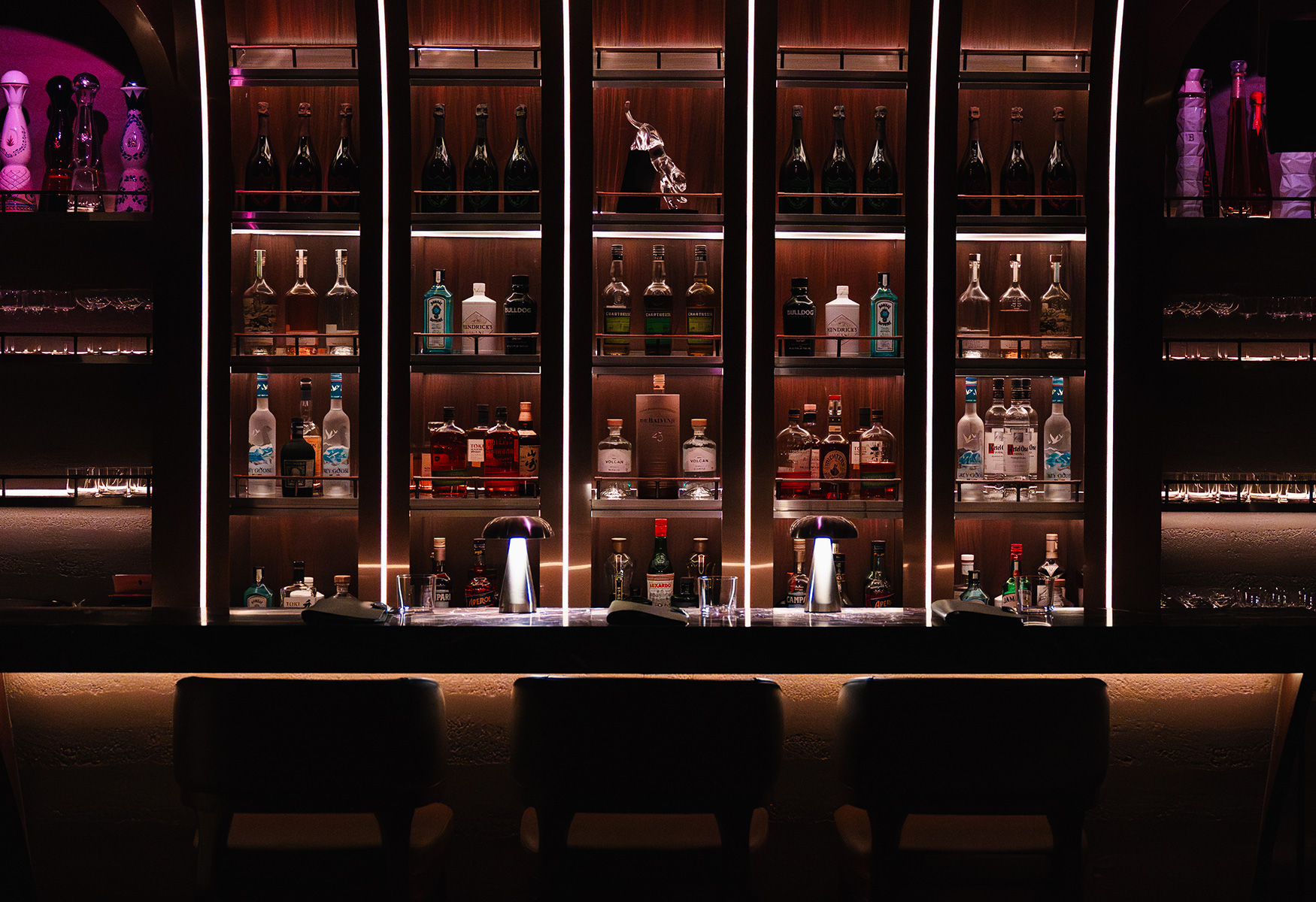
Stepping into ASIN – a progressive Asian atelier, guests enter a quiet sanctuary where the philosophy of the cuisine takes physical form. The space is designed to ground the senses, reflecting Progressive Asian Cuisine through refinement, restraint, and a balance ofcontemporary and traditional influences. Every element is shaped with intention, from the Five Elements philosophy embedded throughout the interiors to bespoke tableware crafted to complement the dining experience. A meal at ASIN engages more than the palate. It invites an awareness of ingredient, season, and intention—offering diners not only a sense of flavour, but a deeper understanding of how food relates to the body and its surroundings.
ASIN represents the continuation of a journey shaped by experience and an enduring desire to learn. It brings into focus the ideas that have defined Chef Ace Tan’s work, expressed with greater clarity and intent, seeking to achieve balance in the body and equilibrium. His cuisine remains in motion—guided by the past, attentive to the present, and open to what lies ahead.