
Experience Jeju At A New Outdoor Korean Traditional Pub
Jeju Haenyeo Opens a New Outdoor Korean Traditional Pub at The Arts House, Bringing Jeju Food, Drinks and Culture to Singapore
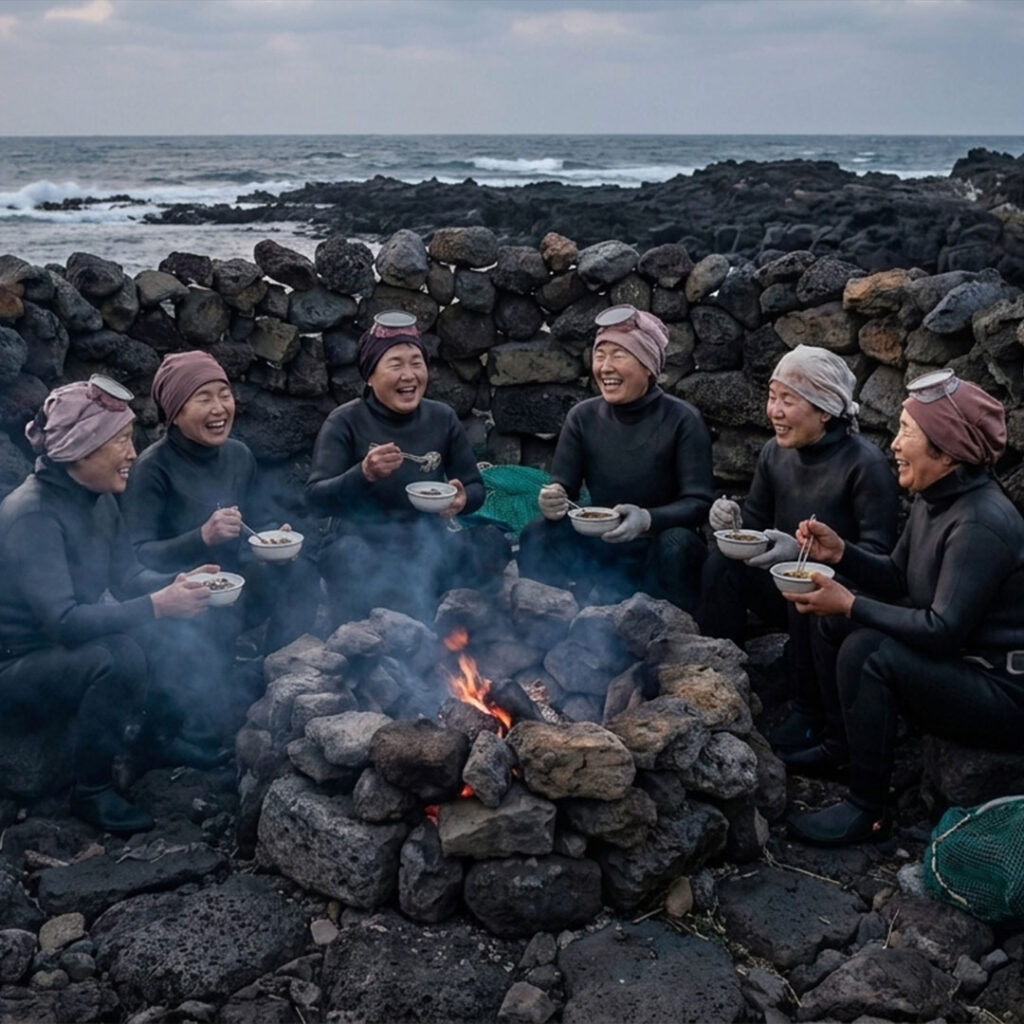
At Jeju, before the wetsuits and the oxygen tanks, there was the bulteok (불턱). A traditional stone fire area where the haenyeo, Jeju’s diving women, gathered to warm themselves and share food after diving. The bulteok was more than a place to make a fire. It was a communal space where people gathered, ate and connected. That spirit now comes outdoors at Jeju Haenyeo Singapore.
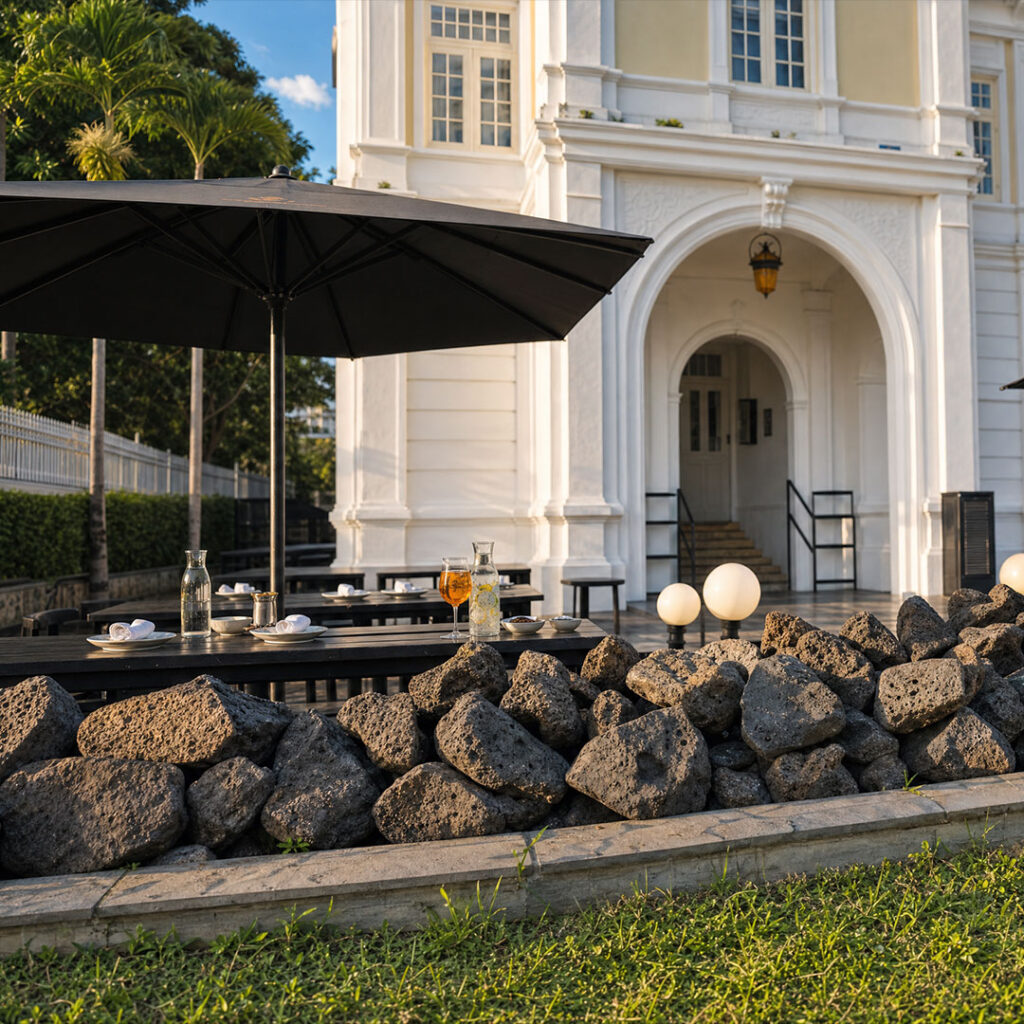
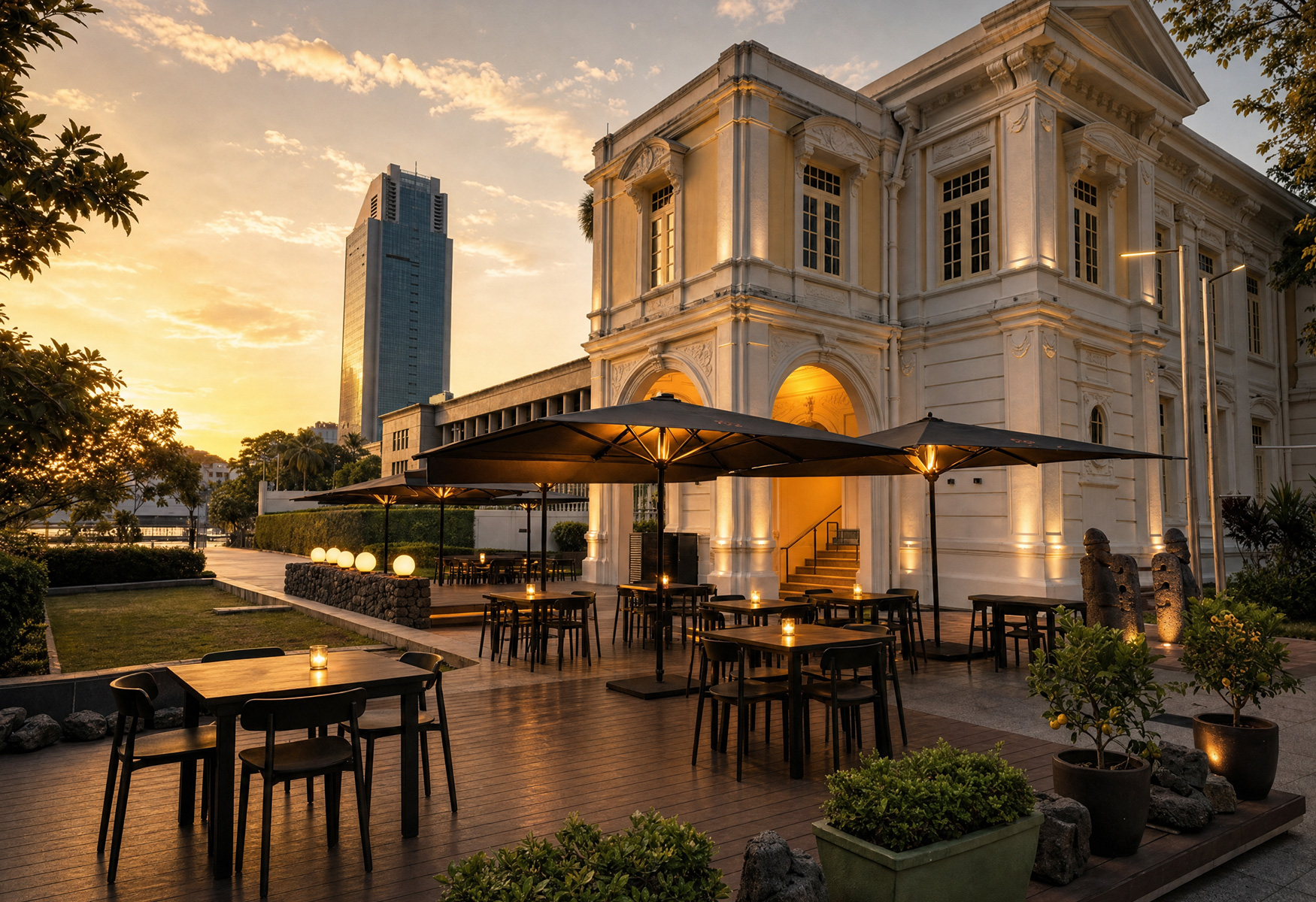
The new outdoor space at The Arts House recreates elements of Jeju’s traditional surroundings, including a mini bulteok fire, Jeju stone walls, dol hareubang and traditional jeongnang (정낭). Haenyeo objects including tewak (테왁) and diving fins are also displayed throughout the space.
Here, guests can enjoy Jeju inspired food, Korean drinks and a traditional Korean pub atmosphere under the open sky, from five in the evening until midnight.
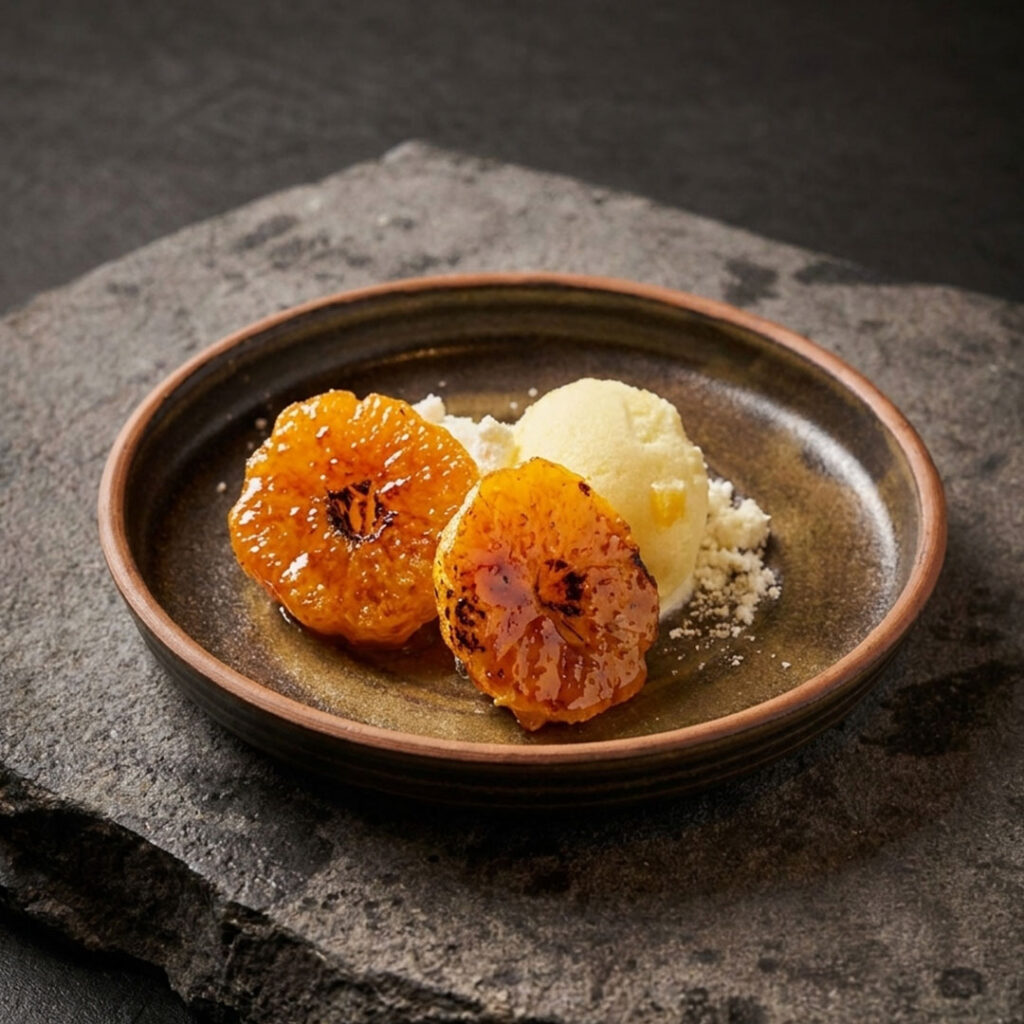
From horn conch and abalone to Jeju tangerines, Hallasan soju and makgeolli, the experience brings together the food, drinks and cultural elements of Jeju in the heart of Singapore. Same island. A different way to experience it.
Why This Space Exists
Most outdoor dining spaces in Singapore are simply an extension of an indoor restaurant. The new outdoor space at Jeju Haenyeo was created with a different purpose: to bring the communal spirit of Jeju outdoors.
The concept takes inspiration from the bulteok (불턱), the traditional stone fire area where Jeju’s haenyeo gathered to warm themselves and share food after diving.
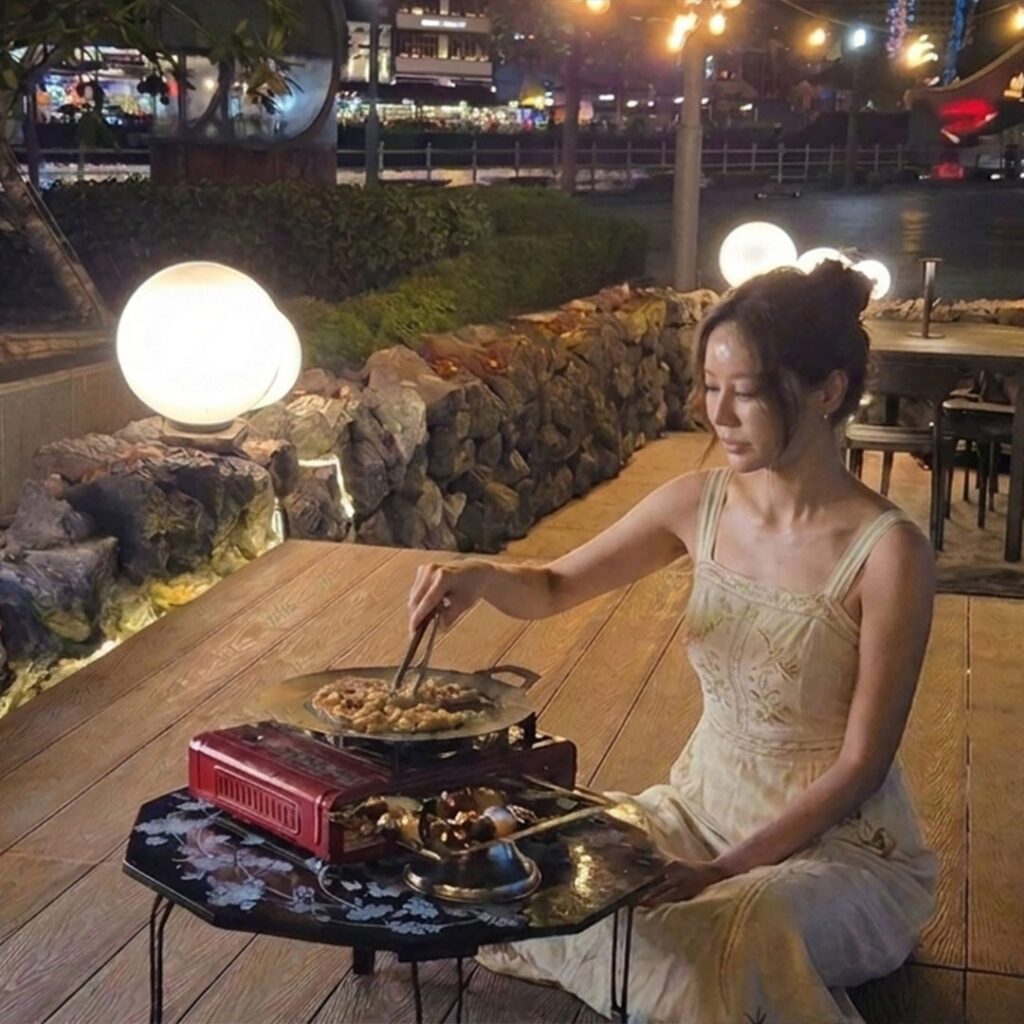
Rather than recreating a restaurant from Jeju, JEJU HAENYEO brings together the atmosphere of a Korean traditional pub with elements of Jeju culture. Guests can gather around the fire, share Korean pub style dishes, enjoy Korean drinks and experience selected dishes through a more interactive dining format.
The space itself carries the concept through its details. A mini bulteok fire sits within the outdoor area, while tewak (테왁) and haenyeo diving fins are displayed alongside Jeju stone walls, dol hareubang and jeongnang (정낭).
Located in the courtyard of The Arts House, one of Singapore’s historic landmarks, the outdoor space creates a meeting point between Jeju culture and Singapore’s Civic District.
More than simply an outdoor dining area, it offers a different way to experience Jeju through food, drinks, culture and conversation under the open sky.
The Food
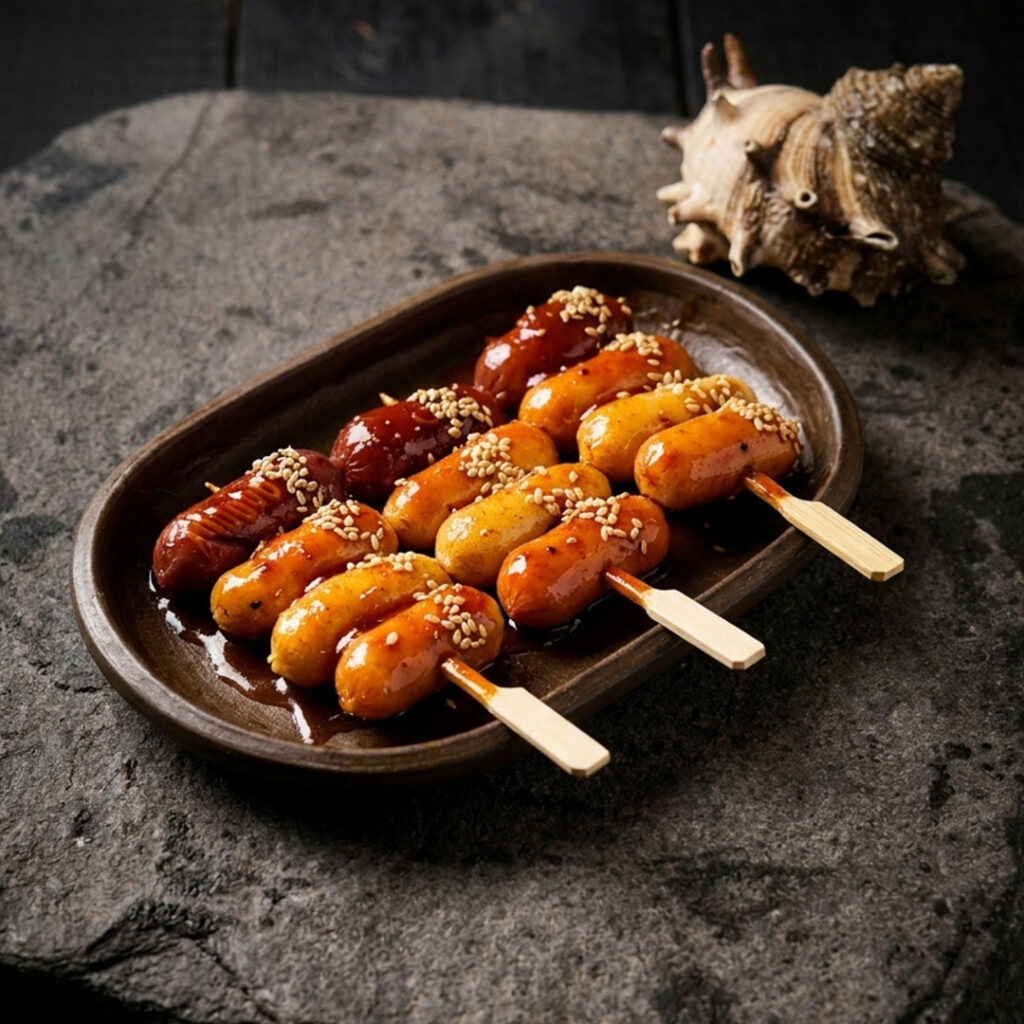
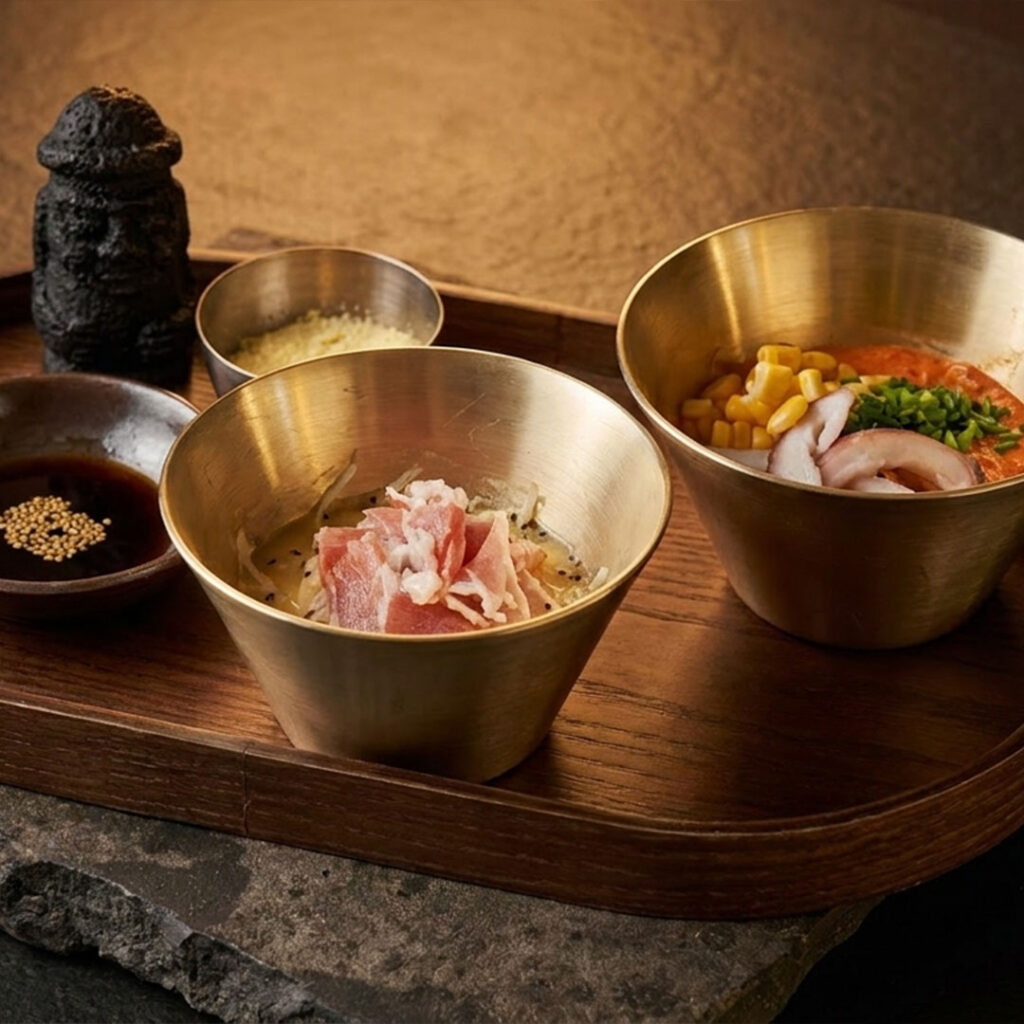
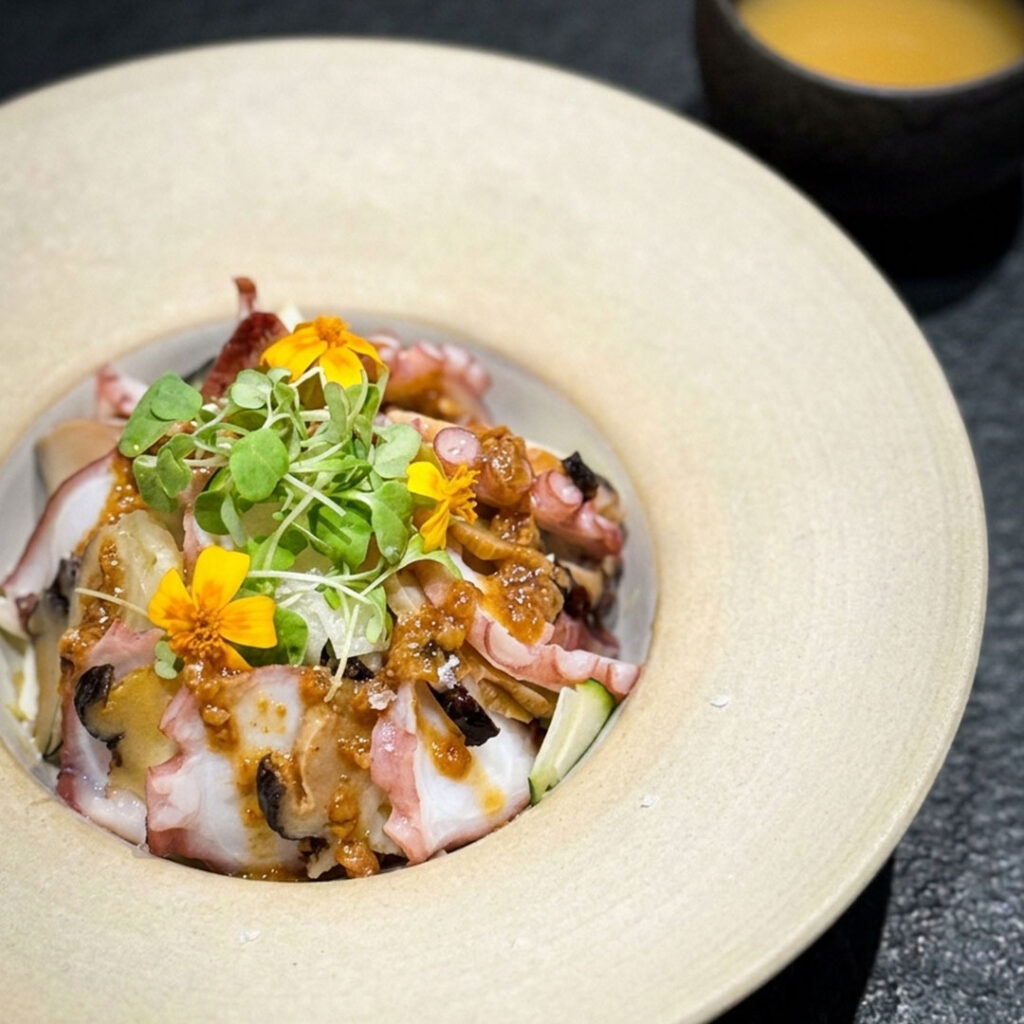
Sea, field and water, from one island. Jeju Ingredients Across The Menu. Eleven dishes, built for drinking rather than for a tasting menu.
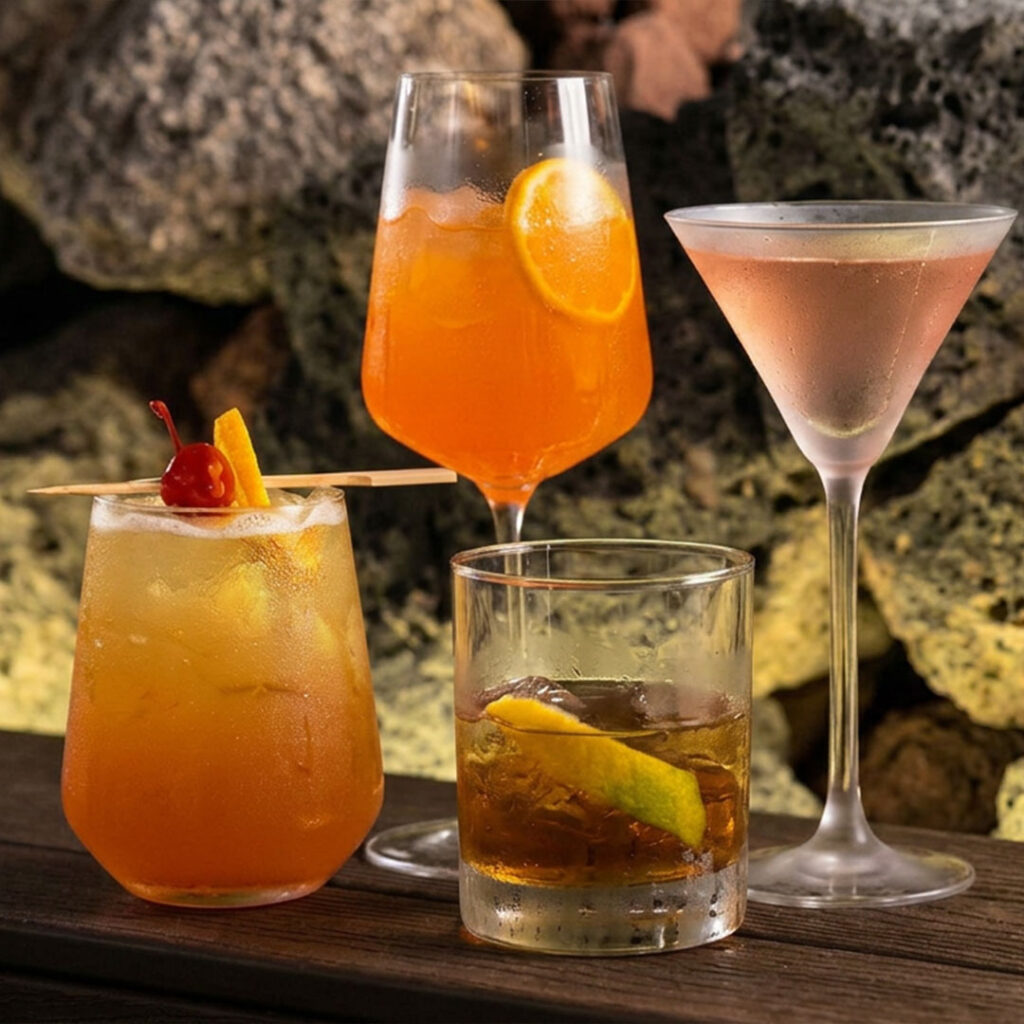
The Drinks: Jeju in Five Colours
The five signature cocktails are not named after flavours. They are named after the island, and
each arrives in the colour it is named for.
– Gyul (귤), Orange, 16 SGD: Tangerine. Hallabong base, triple sec syrup, lime, tonic, dried orange wheel.
– Doldam (돌담), Black, 24 SGD: The basalt walls that run between Jeju’s fields. Black rice makgeolli lengthened with tonic, topped with a dark crunch.
– Bada (바다), Blue, 17 SGD: The sea the haenyeo dive. Blue curacao syrup, lime, tonic, lemon and basil.
– Dongbaek (동백), Red, 21 SGD: The camellia that flowers across Jeju in winter. Bokbunja wine, grenadine, lime, tonic, freeze dried strawberry.
– Sup (숲), Green, 16 SGD: The forest. Basil syrup, lime, tonic, rosemary.
Ordered together they read as the island itself: tangerine, stone, sea, camellia, forest.
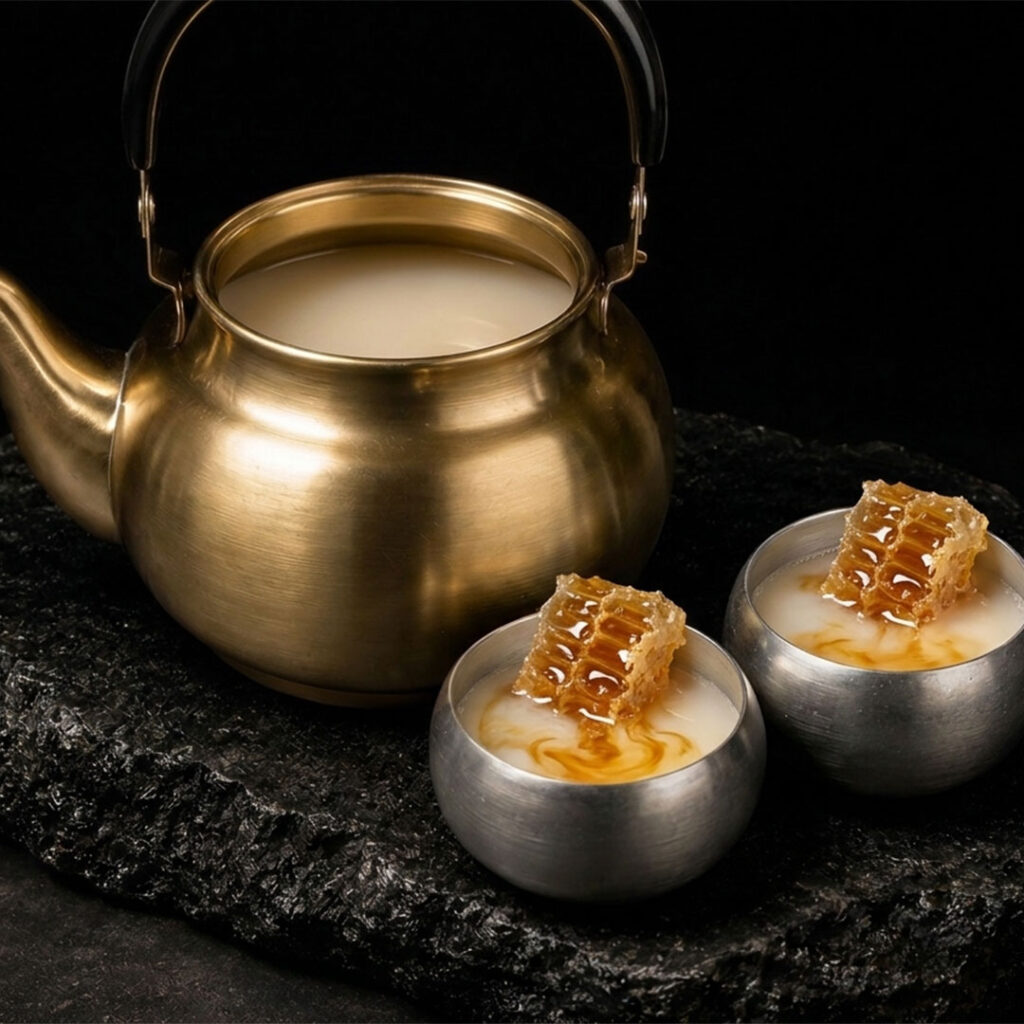
There is also Soju, Beer & Makgeolli (소주, 맥주 & 막걸리): Hallasan Soju (한라산 소주), Jeju’s own soju, distilled on the island with Jeju volcanic bedrock water, at 18 and 20 SGD; Makgeolli by the Kettle (주전자 막걸리) at 25 SGD, Kooksoondang makgeolli poured from a traditional kettle into bowls to share.
Speaking Jeju
Jeju dialect is distinct enough from standard Korean that mainland Koreans often cannot follow it. UNESCO classifies it as critically endangered. Eight of its words are printed on this menu with their meanings beside them.
This adds another layer to the experience, allowing guests to encounter Jeju language alongside its food and culture.