
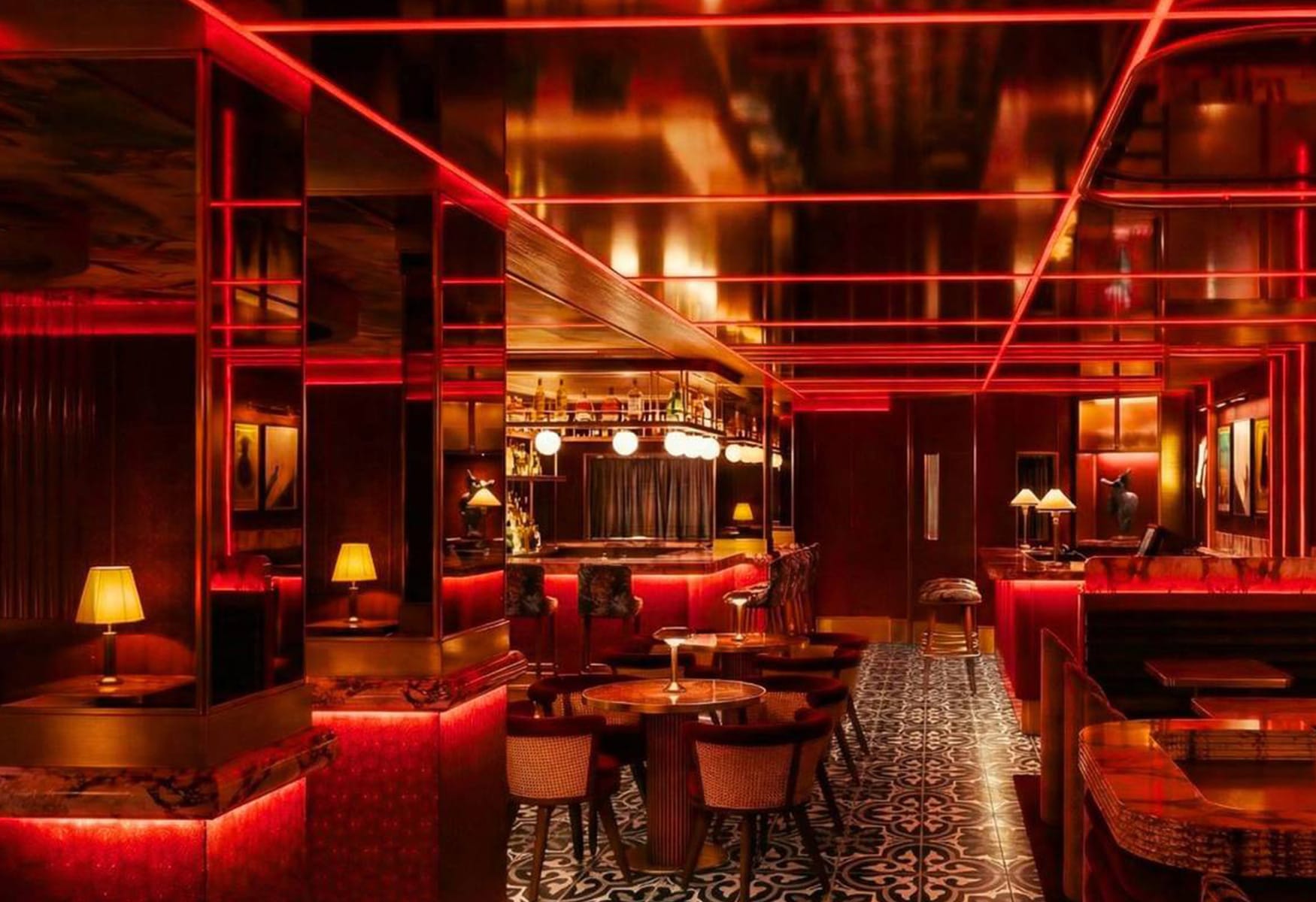
Lulu’s Lounge Returns to Singapore as a Modern Supper Club, Opening in the Heart of Chinatown
Inspired by the golden age of 1930s Shanghai, the revived venue brings together elevated dim sum, a Shanghai-inspired cocktail programme by Studio Ryecroft, and a nightly calendar of live jazz, cabaret, and burlesque – with no cover charge.
Lulu’s Lounge, once a defining fixture of Singapore’s nightlife, returns next month with a new address and a more considered identity. Reopening in Chinatown, the venue now takes shape as a modern supper club while retaining the theatrical spirit that made its earlier incarnation distinctive.
“It was always a place where food, cocktails, performance, and late-night revelry came together in a way that felt immersive, playful, and slightly rebellious,” said Managing Director, SJS Group, Sarissa Rodriguez-Schwartz. In the years since its closure, she added, the question of its return never quite faded.
The revival arrives at a moment when nightlife has shifted toward experience-driven formats, with few spaces successfully integrating performance, music, and hospitality in a way that feels natural and cohesive. Lulu’s, which once helped define that balance locally, now returns with a quieter confidence, focusing on an atmosphere that unfolds and builds over the course of a night.
A Stage That Evolves
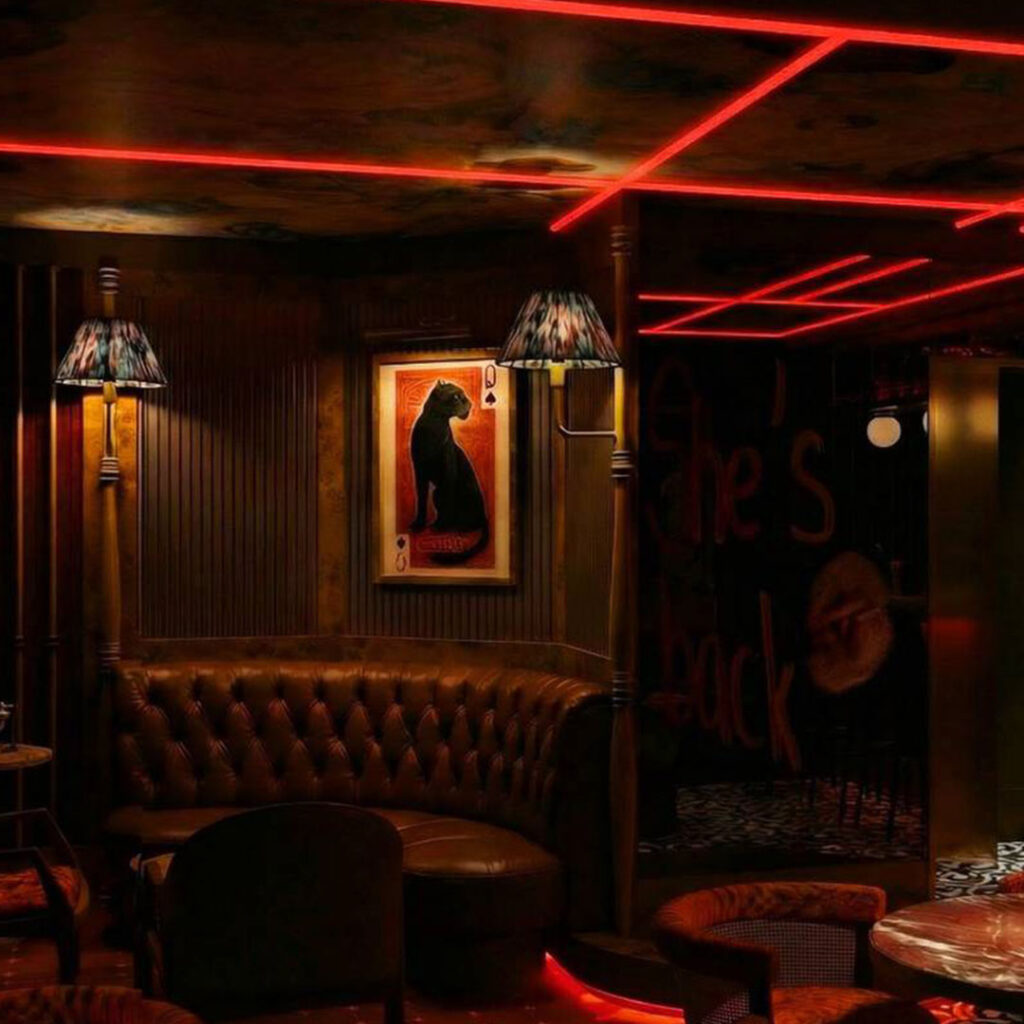
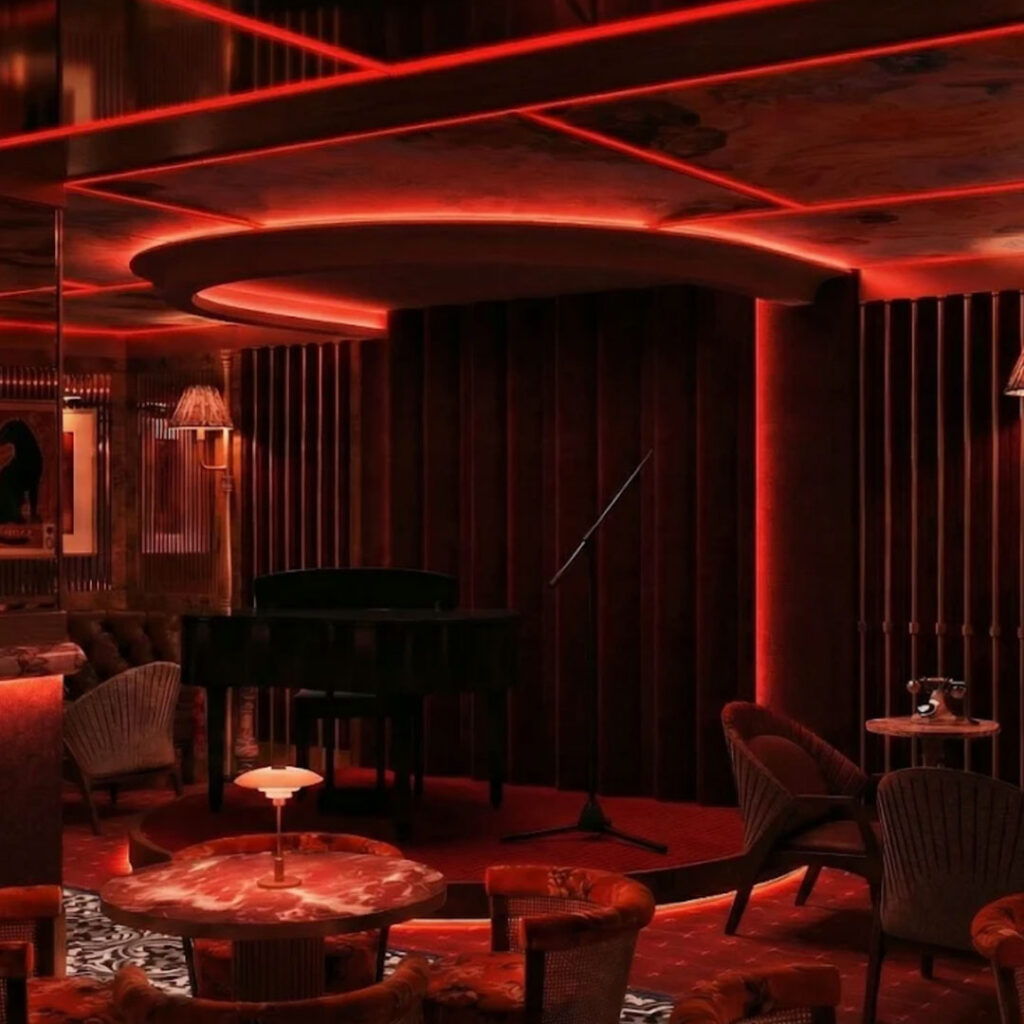
The interiors, led by Threaded Creatives and Bernard Johnson – who also designed the original 2017 venue – draw on the visual language of Old Shanghai, layered with contemporary nightlife cues. A baby grand piano anchors the room, while velvet-lined booths nod subtly to the past without direct replication.
At the entrance, a jukebox stands beside the DJ console, a small but telling juxtaposition of analogue nostalgia and present-day rhythm. Jade hues, lacquered surfaces, and plush banquettes set a tactile tone, while a dynamic lighting scheme shifts the room from subdued early-evening warmth to a more kinetic, late-night energy. The space, much like the programming, is designed to move.
Dining Into the Night
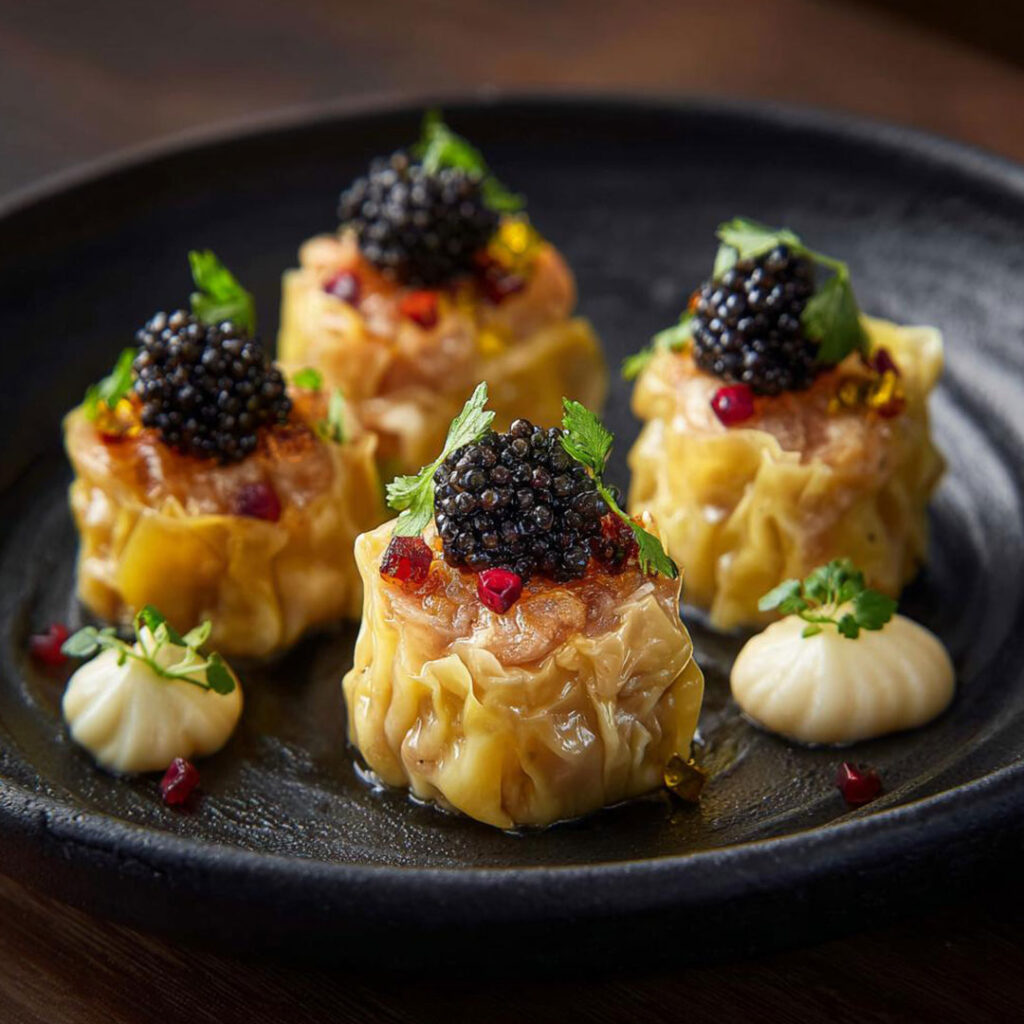
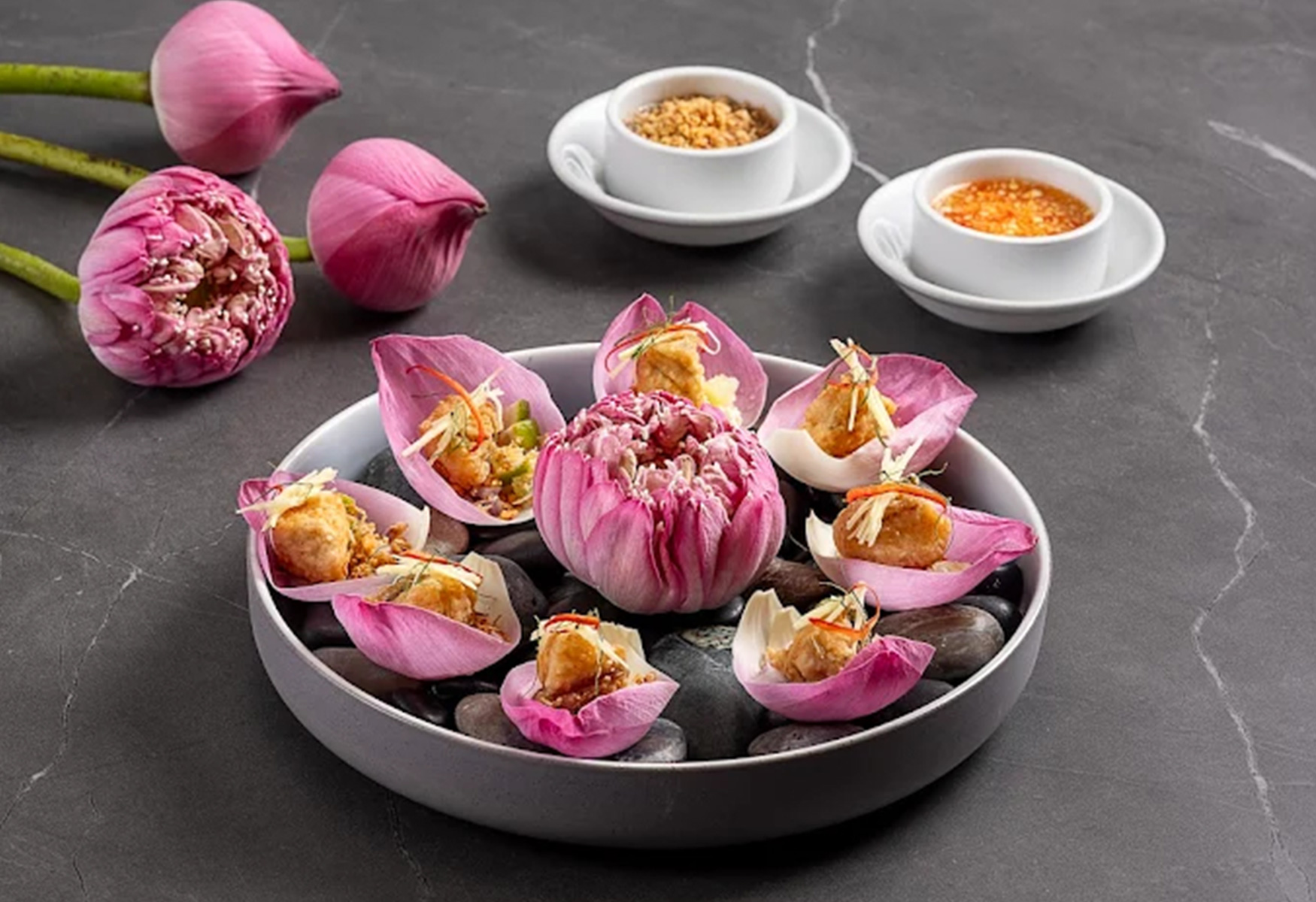
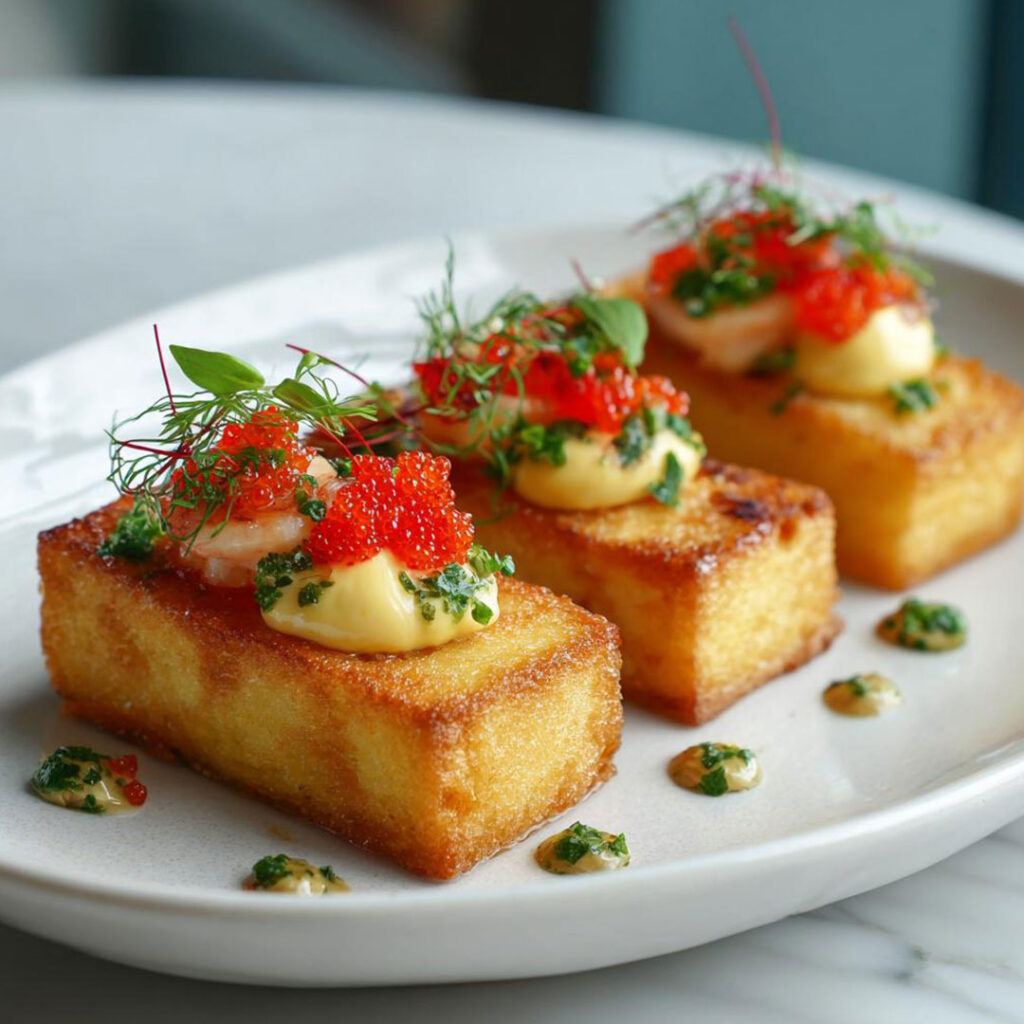
The menu follows a similar arc. Built around Shanghai-inspired dim sum and small plates, it is intended for lingering rather than formal dining where food can accompany cocktails at dusk, performances at mid-evening, and the gradual swell of music into the early hours. Highlights include Oscietra Caviar Siu Mai, a classic siu mai topped with Oscietra caviar and yuzu crème fraîche and Hong Kong Prawn Toast, golden fried brioche with coarse prawn paste, tobiko, and a chilli-lime aioli.
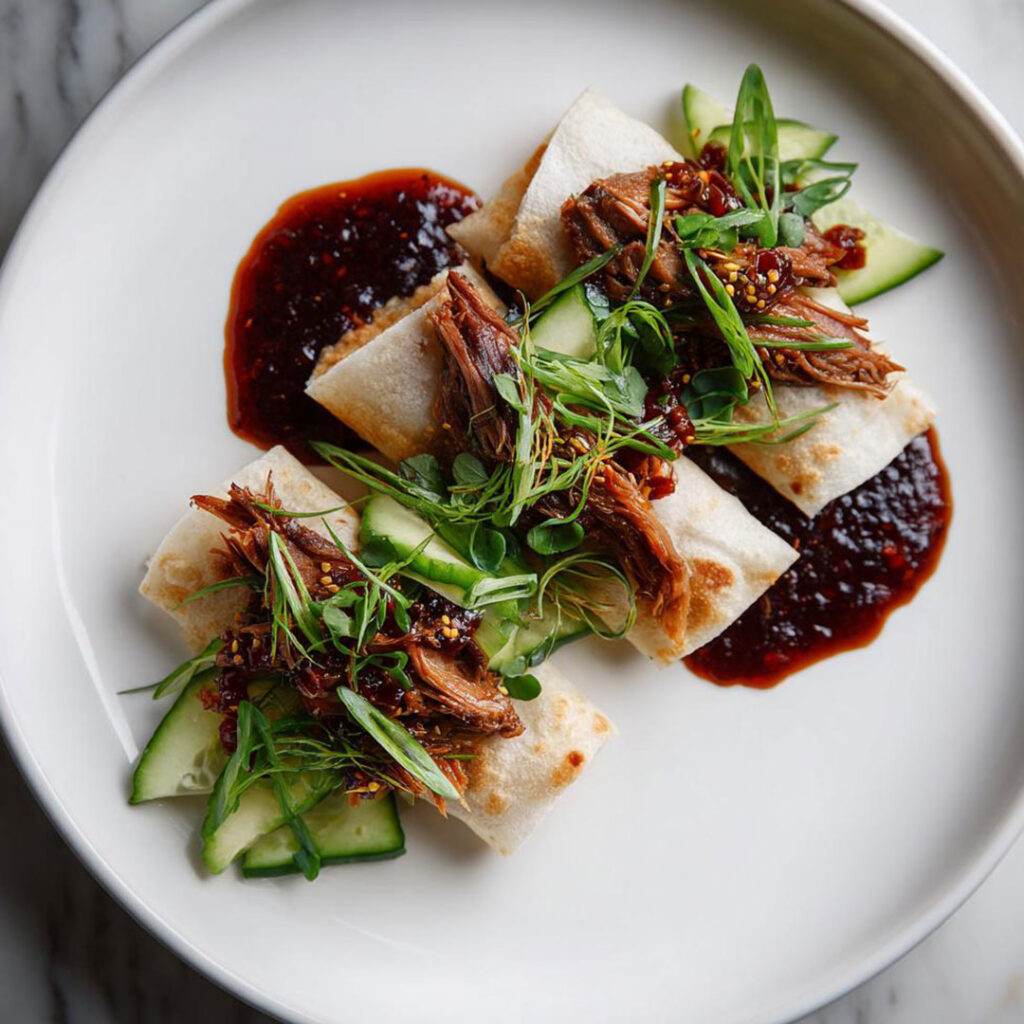
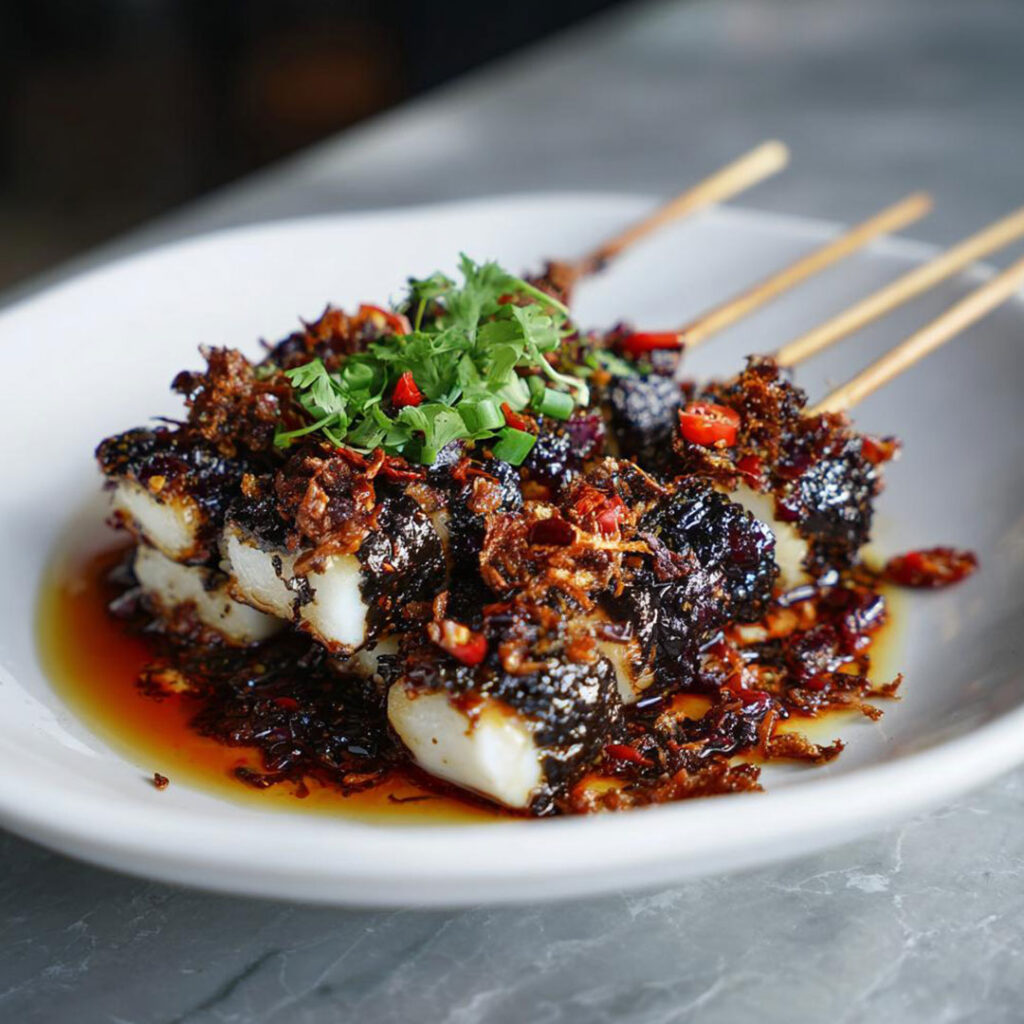
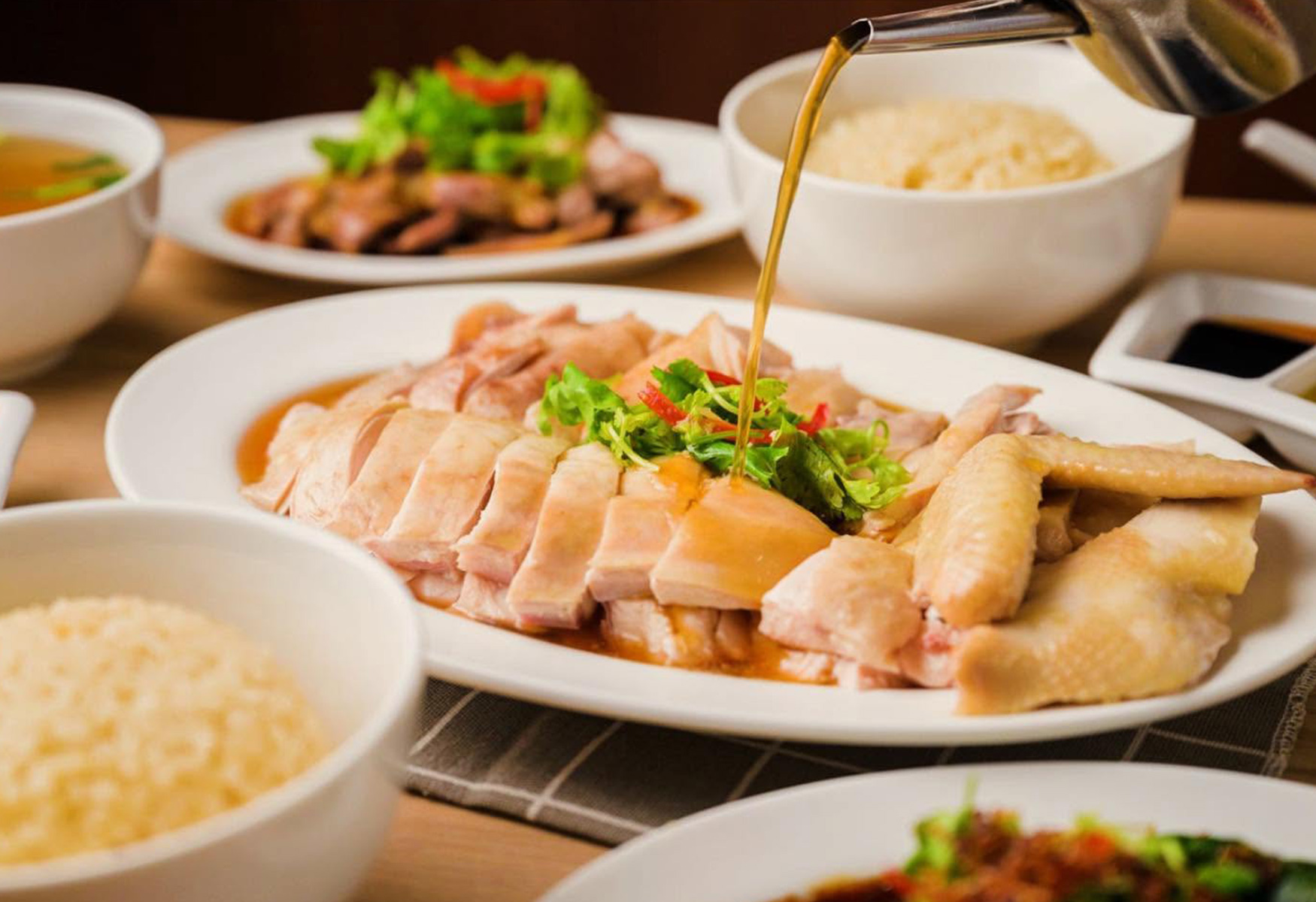
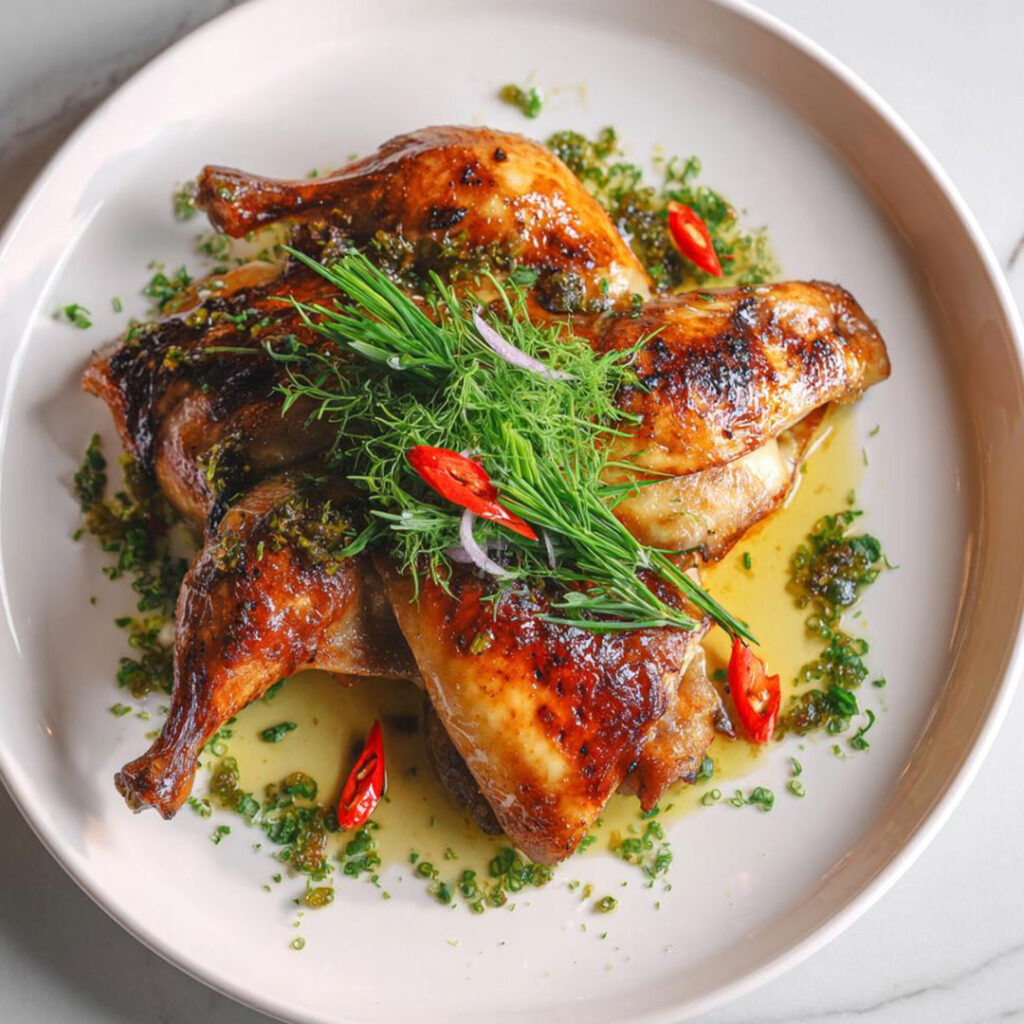
For something more substantial, Crispy Aromatic Duck Pancakes arrive with slow-rendered shredded duck, mandarin pancakes, fermented plum sauce, cucumber, and spring onion, while the Crispy-Skin Chicken, a free-range half bird air-dried for 24 hours is served with ginger-scallion oil and pickled chilli. Mala Grilled Fish Skewers, marinated in Sichuan doubanjiang and fermented black bean, finished with chilli oil and fried shallots, round out a menu built for grazing late into the night.
The bar programme has been developed in collaboration with Studio Ryecroft, the hospitality consultancy founded by Bobby Carey and Tom Hogan. Both previously held senior roles at Proof & Company, one of Asia’s most influential bar consultancies where they worked on the development of bar programmes of internationally recognised venues including Manhattan at Regent Singapore and ATLAS.
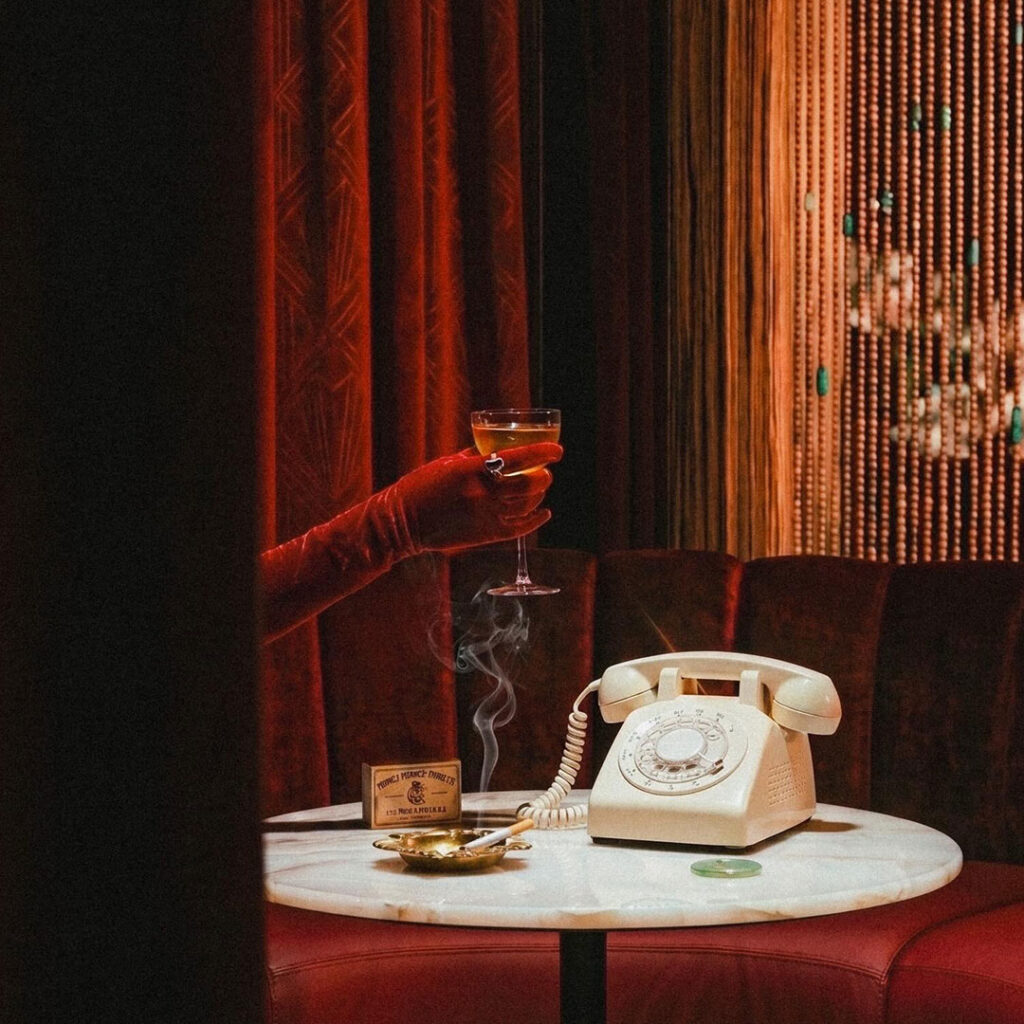
For Lulu’s, the cocktail menu takes a classicist approach before veering into more unexpected territory. Familiar cocktail structures are reworked with Chinese ingredients: jasmine tea-infused vermouth lends a floral lift to a martini-style drink; osmanthus wine and baijiu appear in sours that balance sweetness with a subtle savoury edge.
Elsewhere, ingredients such as Buddha’s hand, long pepper, salted lemon, and dark soy syrup introduce layers of citrus, spice, and umami. The effect is not overtly thematic, but quietly cohesive where cocktails feel connected to their setting without becoming literal. A parallel non-alcoholic menu has been developed with equal care.
Performance as Throughline
Performance remains central to Lulu’s identity. A rotating programme of live music, cabaret, burlesque, and drag unfolds across the week, with returning concepts like Café Bizarre alongside new formats. Several original collaborators reappear, bringing continuity to a space that has otherwise evolved.
Music, too, resists a fixed identity. Rather than a single resident DJ, the venue hosts a rotating roster whose selections shift with the evening – disco, analogue classics, golden-era hip-hop, and soul – structured less as background and more as narrative.
Curated Evenings
The weekly calendar takes shape around three signature nights. Café Bizarre returns on Saturdays, the venue’s most theatrical evening, built around burlesque, drag, live immersive performances, and a rotating cast of guest DJs who carry the room through to close.
Midweek, Oui Oui Chérie offers something more intimate: a ladies’ night framed around cocktails, cabaret, and the kind of evening that starts with one drink and ends considerably later. Sundays belong to Encore, a slower, more deliberate night of live jazz standards, dim sum, and the particular pleasure of a weekend that refuses to end quietly.
A Digital Extension
The venue’s digital presence, developed by Singapore-based studio Ripple Root, mirrors its physical counterpart. The website and visual identity extend the sense of intrigue and layered storytelling, offering a preview of the atmosphere rather than a straightforward presentation.
Chinatown, Reconsidered
Its new home in Chinatown is both practical and symbolic. Centrally located and rich in texture, the neighbourhood encourages a slower, more exploratory night out and one that begins early and unfolds gradually. The historic shophouses and dense streets provide a fitting backdrop for a venue that trades in discovery.