

Gwangjang GAON has opened its first overseas outpost in Singapore!
Bringing the authentic taste of traditional Korean recipes to the Lion City is Gwangjang GAON by renowned Korean culinary Professor Hyo Soon Park. With two flagship outlets in South Korea, the restaurant is celebrated for its classic Korean cuisine, which is widely adored by diners both locally and from abroad, and has attracted visits from Korean celebrities such as Han So-hee and Squid Game’s Lee Jung-jae. In fact, actress Choi Myung-gil is such a fan of the restaurant, she herself opened a franchise. The Singapore outlet will mark its first overseas outpost.
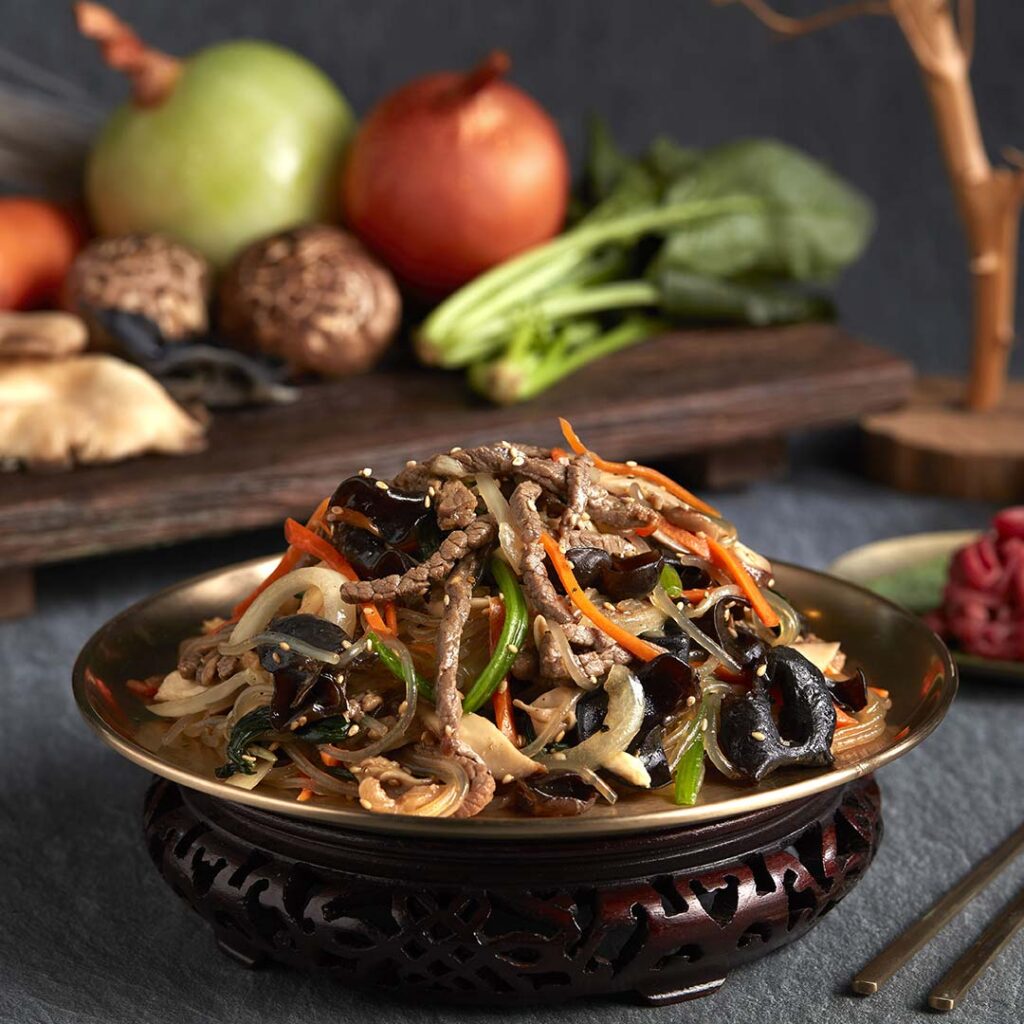
An award-winning restaurant, Gwangjang GAON’s accolades include 2025 Blue Ribbon recognition, listed in Hi Seoul Best Korean Restaurant, as well as ministerial commendation and more. Drawing long lines, regulars flock to Gwangjang GAON for heritage soul food, especially the comforting Kalguksu noodles, Gomduk (beef soup), Mandus (handmade dumplings) and classic Bibimbap – a taste of home direct from mum’s kitchen. It is precisely these time-honoured recipes that sets Gwangjang GAON apart from typical eateries dishing out contemporary K-street food here.
A Legacy of Taste, Rooted in Research
Gwangjang GAON, better known in Korea as Naru GAON or Gwangjangdong GAON, is named after the street where it first opened. From the very beginning, Gwangjang GAON has been dedicated to preserving authentic and traditional Korean cuisine that is gradually fading from Korea’s food service industry, while also crafting dishes that are healthier and even more delicious.
The restaurant is the vision of Professor Hyo Soon Park, a renowned researcher of traditional cuisine and respected culinary expert. With a rich background in traditional Korean cooking, Professor Park has appeared in numerous cooking shows, such as tvChosun’s “살림9단의 만물상” (“Salim 9dan-ui Manmulsang”), where she shares traditional recipes like jeongol, galbijjim, and nabak-kimchi. She has also taught at numerous Korean universities. Now in her mid-60s, she has dedicated most of her career to researching and standardising traditional Korean recipes, guided by the philosophy that “healthy taste leads to a healthier world”.
Professor Park holds a Doctorate for Business Administration from the prestigious Shinhan University, along with a Master’s degree for Business Administration from Sejong University and a Bachelor’s Degree in Culinary Management from Kyonggi University. In recognition of her significant contributions to the globalisation of Korean cuisine, she has also received an award from the South Korean prime minister. In addition to her title of CEO and founding chef-researcher of Gwangjang GAON, Professor Park also heads her eponymous Culinary Culture Research Institute in Korea. Deeply committed to social initiatives, she serves as Vice-Chair of the Korean Victim Support Association and holds roles in legal mediation.
Gwangjang GAON stands as a proud guardian of Korea’s culinary heritage, preserving and celebrating traditional recipes handed down through four generations of Professor Park’s family. Starting as a single restaurant in the Gwangjang-dong district in 2008, a picturesque location near the Han River, the business grew into a full-fledged food company Narugaon. Narugaon, incorporated in 2010, supplies packaged products made from traditional recipes available in department stores nationwide and around the world. The company has since earned notable recognition, including the Korea-Chamber SME Brand Award (2011), which holds significant prestige within South Korea’s business landscape and the Federation CEO Award (2017), highly regarded among business leaders and is considered a mark of excellence in corporate leadership and social responsibility within South Korea.
Since its opening, Gwangjang GAON has been immensely popular and often sees long lines, especially during lunchtime. In 2017, its second outlet, located within the historical Myeongdong Cathedral in Seoul, opened. This decision was not driven by business strategy but by a long-standing invitation from the cathedral. The location provided a meaningful opportunity to introduce authentic Korean cuisine, not fusion food, to a large international audience. With a mission to give back to the community by safeguarding these timeless recipes, Gwangjang GAON follows the philosophy of “온고지신” (On-Go-Ji-Shin), a Korean idiom meaning to review the old and learn from the new. Today, Gwangjang GAON remains committed to carrying the authentic taste of Korea’s heritage to an ever-growing audience, bringing the true flavours of Korea to the world, starting in Singapore.
Signatures Crafted from 4th Generation Secret Recipes
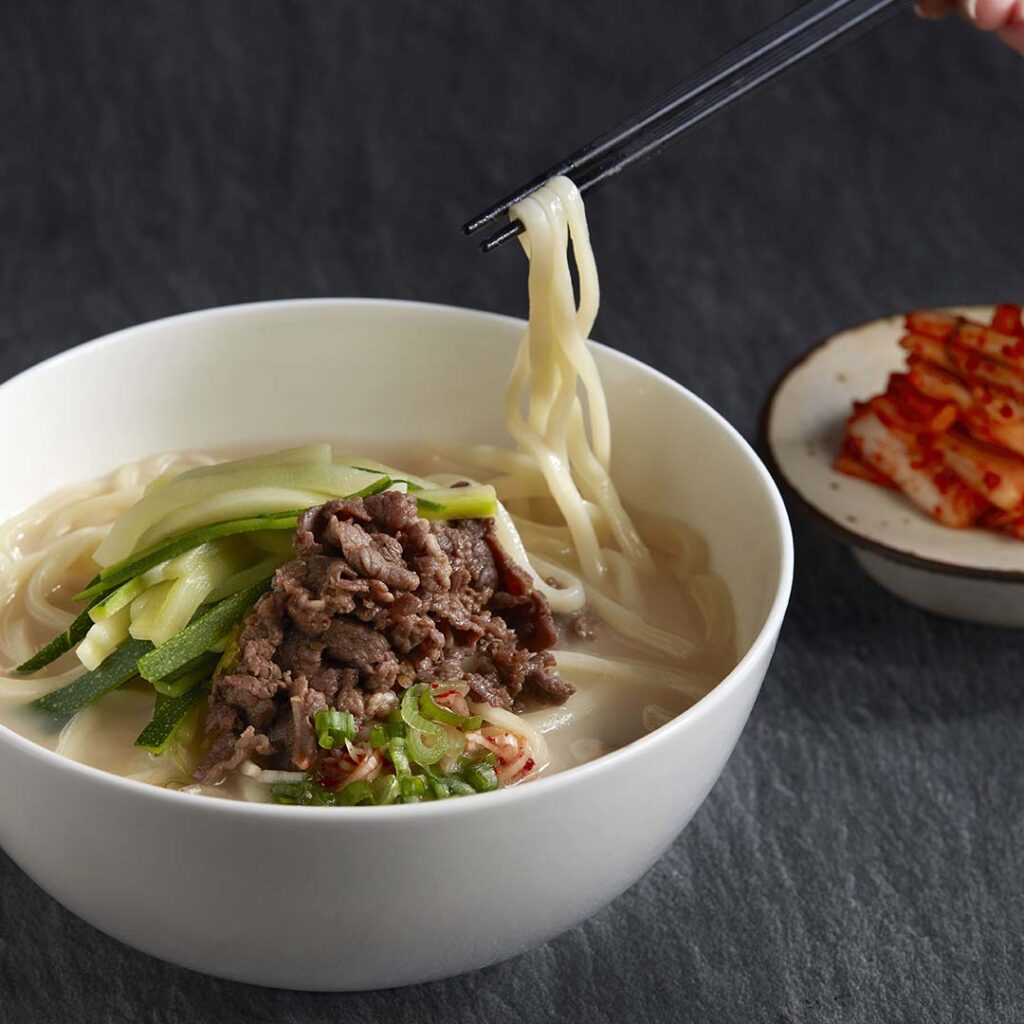
The first highlight on the menu is Gomguksi ($16.90), a beloved Korean comfort dish that brings together heritage, heart and honest flavours in one soul-warming bowl. Served in a hearty, flavourful beef broth, this rendition of Korean knife-cut noodles has earned the affection of both loyal diners and Korean celebrities alike. What sets this dish apart is its fourth-generation traditional recipe, that has been passed down and perfected over decades. Slow-cooked for hours, the meticulously simmered beef stock transforms into a luxuriously thick, rich, and almost milky broth. The result is a broth that is both robust and comforting, capturing the essence of traditional Korean home cooking. Accompanied by handmade noodles and tender pieces of beef, it stands out not through embellishment, but through its simplicity.
Another cherished fourth generation recipe with a modern cooking technique is the famous GAON Galbi ($69.90). The premium beef short ribs are cooked sous-vide for over 24 hours, rendering them tender and infusing them with the classic flavour of more than 20 herbs and ingredients. Still retaining a delightful bite, the cooked ribs are then torched lightly, enhancing their surface with a light char that adds a subtle smokiness before serving on a traditional Korean wooden table tray called a Hojokban, once reserved only for royalty and ceremonial dining.
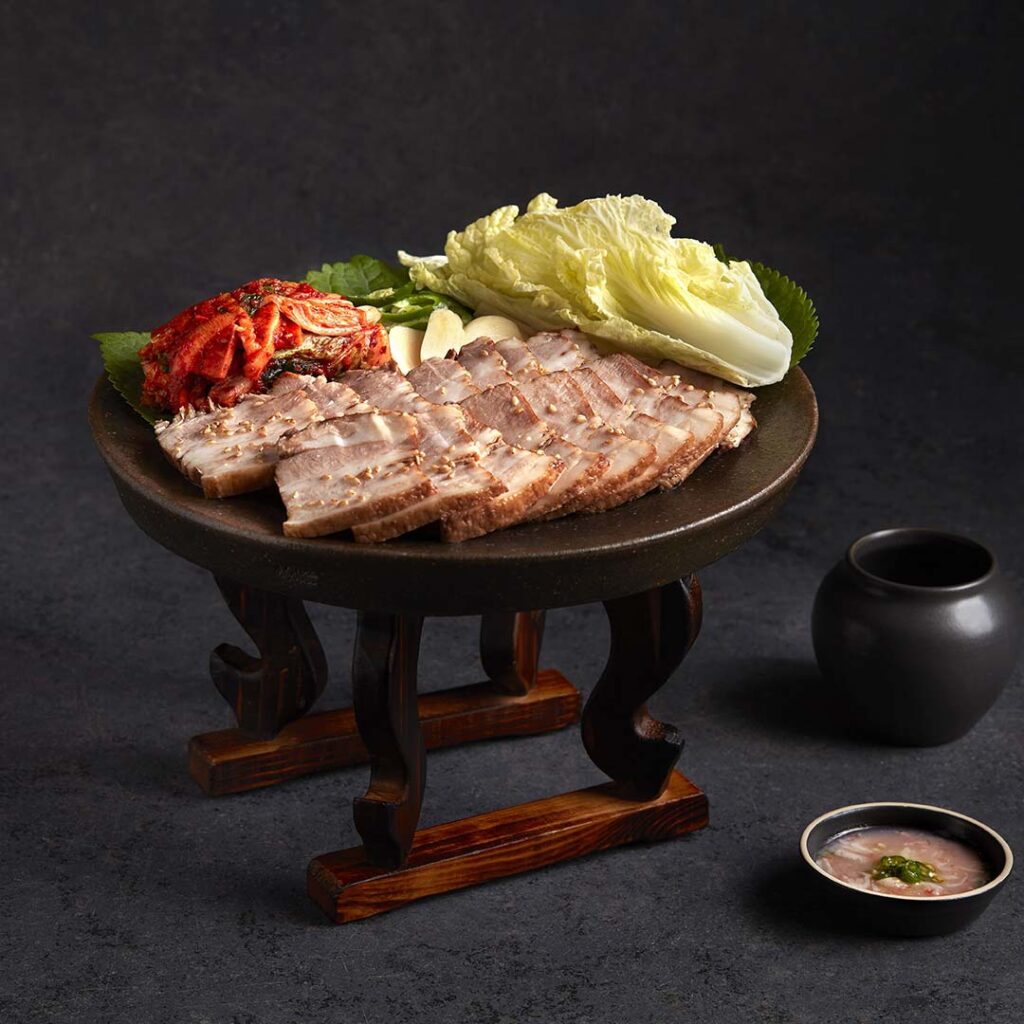
A beloved staple in Korean cuisine, Bossam ($43.90), tender boiled pork wraps, takes on new depth here at Gwangjang GAON thanks to a treasured 15-year-old mother stock from Korea as its base. The pork belly is gently boiled and simmered for hours in this carefully preserved broth, allowing it to absorb layers of deep, aromatic complexity. Once perfectly tender, the pork is sliced and served alongside fresh, crisp cabbage and homemade kimchi, accompanied by traditional condiments such as the saeujeot (fermented shrimp sauce), which offers a briny punch of umami, and ssamjang, a thick, savoury soybean paste that adds depth and a gentle kick.
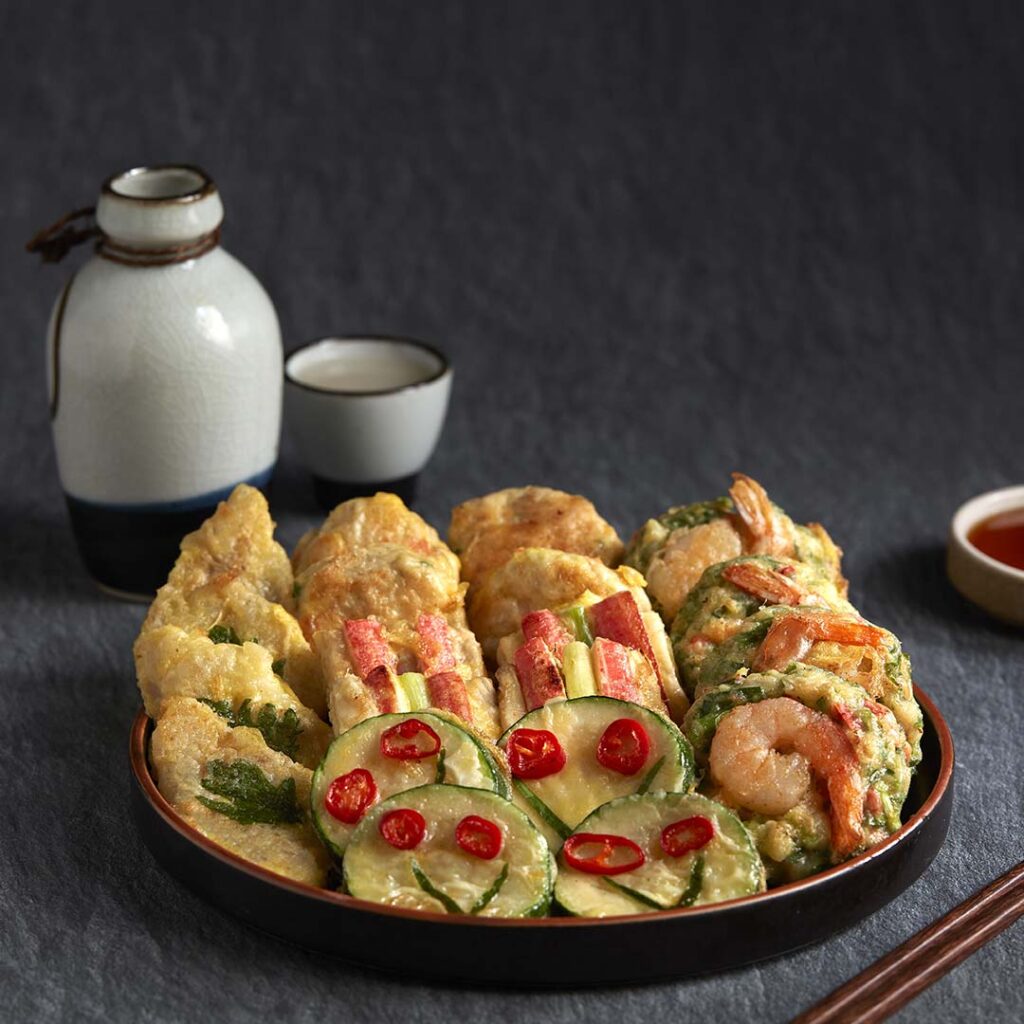
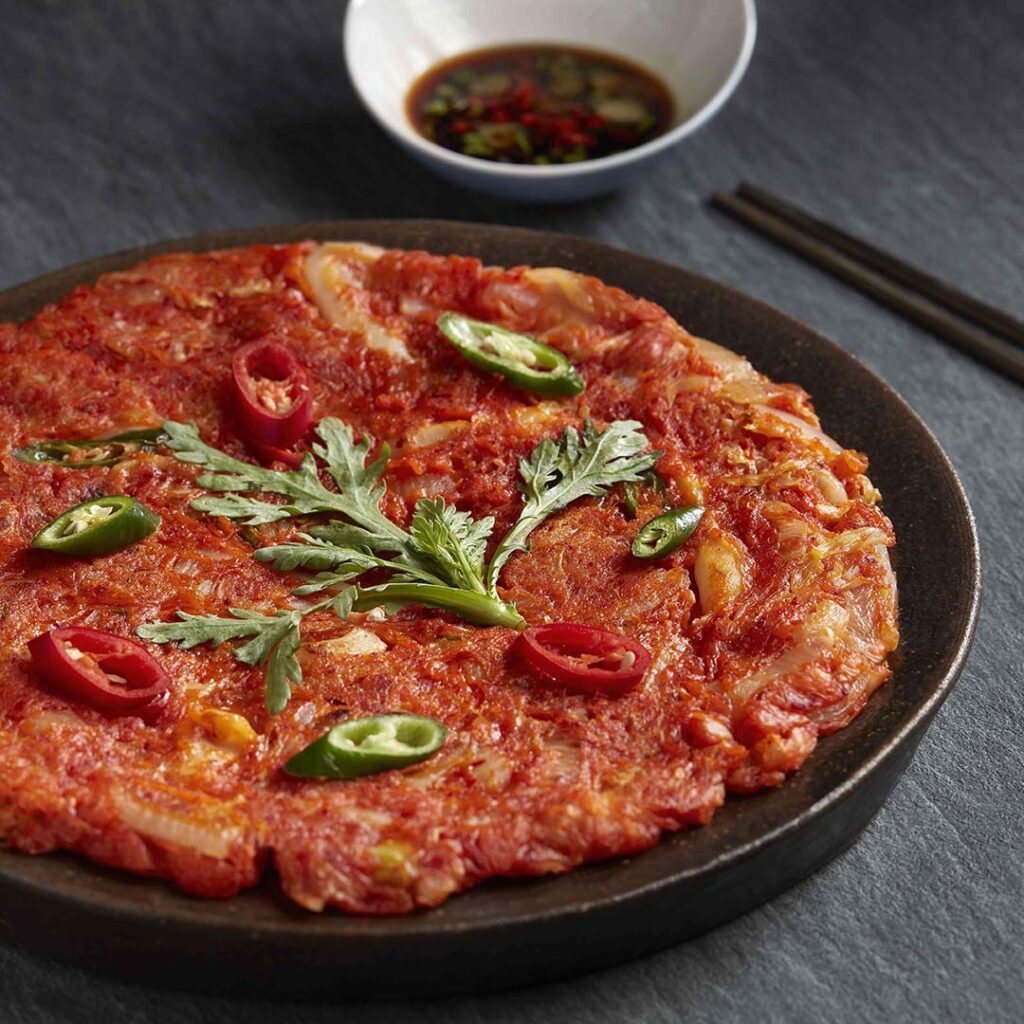
In Korean, “jeon” refers to a variety of pan-fried savoury dishes, typically made by coating ingredients like meat or vegetables in a flour and egg batter, then frying them. A beloved and everyday snack, these Korean-style pancakes or fritters have a long history, dating back to the Joseon Dynasty, where they were enjoyed in royal courts, traditional households, and served during ancestral rites. At Gwangjang GAON, Jeon are handmade daily using Professor Park’s fourth-generation family recipes. The Modm-Jeon ($29.90) platter is anything but ordinary: beautifully arranged, it features golden bites of shrimp, pollack, zucchini, ground pork, and crab surimi, all pan-fried to perfection and served with a tangy soy-vinegar dipping sauce. While traditional jeon is rarely found in restaurants today due to the time and care required, Gwangjang GAON stays true to the craft by preparing each piece meticulously by hand. These crisp and airy fritters are best paired with makgeolli, an unfiltered Korean rice wine.
You must also have the traditional bibimbap, colourful rainbows atop a bowl of rice. At Gwangjang GAON, enjoy two variations: The Classic Bibimbap ($22.90), features more than 13 ingredients including meat, mixed vegetables and a spicy sauce with a choice of red pepper paste, soy bean paste, or a blend of both. There is also Gondre-Bibimbap ($16.90), an all-vegetable version featuring gondre, a seasoned wild mountain herb, tossed with mixed vegetables and a splash of fragrant sesame oil, served alongside marinated soy sauce on the side.
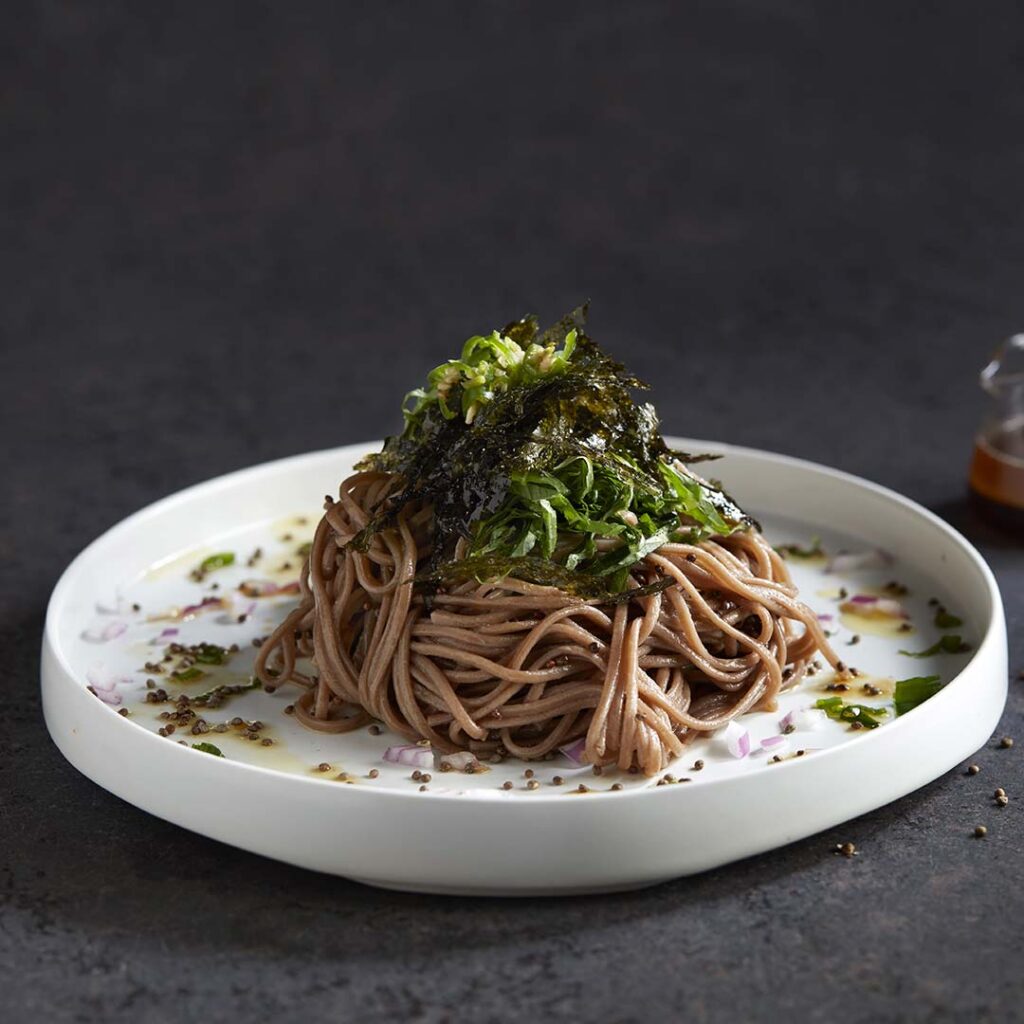
Don’t miss the unique local specialty, Deulgireum Makguksu ($21.90), a refreshing cold buckwheat noodle dish drizzled with aromatic perilla oil topped with crunchy perilla seeds. Adding a subtle kick is a slight hint of cheongyang red pepper, while the fresh perilla leaves perfectly balances the flavours.
For first-time diners to Gwangjang GAON, Professor Park Hyo Soon recommends beginning your meal with a tummy-warming Gomguksi, before moving on to the leafy Bossam wraps, then the tender Galbi, and filling up on Bibimbap and Jeon.
A Gem Set in a Jewel
Gwangjang GAON’s first overseas outpost here in Singapore will open in the fitting Jewel Changi Airport, welcoming both locals and visitors with homely and traditional Korean cuisine made with care. With an inviting and casual dining ambience, set against the lush backdrop of Jewel’s beautifully groomed garden, the 52-seat restaurant will be a satisfying start or end to any holiday – and everything in-between.